The Short Answer
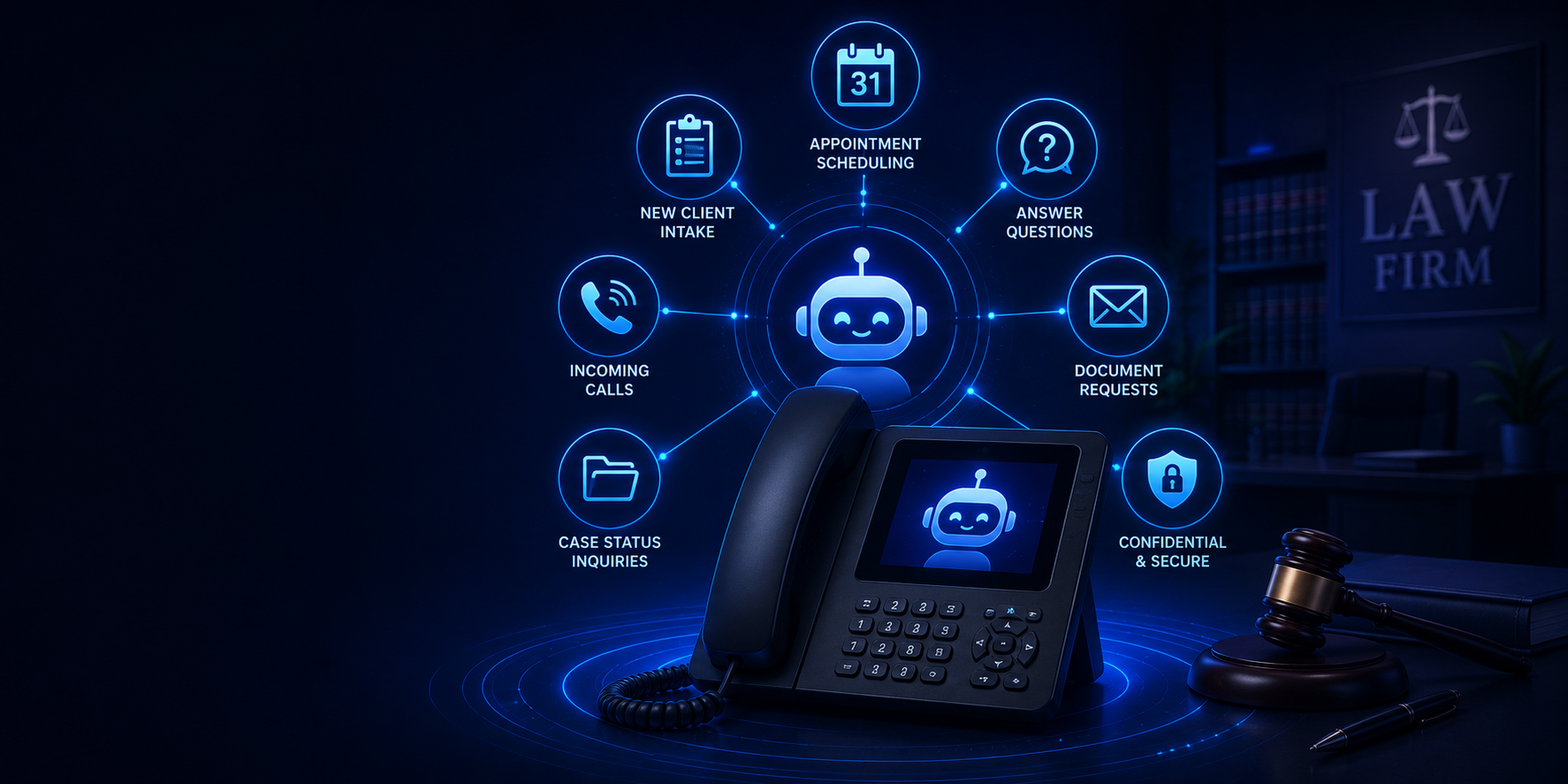
The best phone system for a law firm is designed around intake, confidentiality, attorney availability and business continuity—not simply the number of employees. It should distinguish prospective clients from current matters, route urgent calls without promising legal advice, protect voicemail and message access, support hybrid work, preserve the firm’s professional caller identity and keep the main number reachable when an office loses power or internet.
Key Takeaways
- Map new-client intake separately from existing-client service.
- Give receptionists queue visibility and reliable transfer tools.
- Control access to voicemail, recordings, transcripts and text history.
- Use role-based equipment instead of buying the same phone for everyone.
- Document business-hours, after-hours and outage call paths.
- Compare complete implementation costs, not only the advertised seat price.
Why Law Firm Phone Systems Are Different
A law firm’s main number is both a client-service channel and an intake system. The caller may be a prospective client facing a deadline, an existing client requesting an update, a court or agency, opposing counsel, a vendor or a family member. Treating all of those calls as one undifferentiated ring group creates long holds, inconsistent transfers and avoidable disclosure risks.
The design should define who owns each call type, what information staff may collect, when a call becomes urgent, how a conflict check fits into intake and what happens when the intended person does not answer. Technology should enforce the workflow the firm has approved.
A Practical Main-Number Call Flow
Keep the first menu short. Common paths include new matters, existing clients, courts or professional callers, billing and a receptionist option. New-client calls should reach a trained intake queue or backup destination; current-client calls should be verified before matter details are discussed. Every queue needs a maximum wait, overflow destination and voicemail owner.
After hours, change the routing rather than leaving the daytime menu active. Routine callers can leave a message or receive office information. Time-sensitive matters can follow a documented on-call path, but the greeting should not imply that leaving a message creates an attorney-client relationship or guarantees an immediate response.
See the detailed guide to law firm call routing.
Equipment by Role
Reception and intake
A business-class desk phone or supported softphone, comfortable headset, wired network connection and clear queue controls.
Attorneys
A desk phone, desktop app or mobile app with presence, secure voicemail handling and intentional outbound caller ID.
Paralegals and support staff
Fast transfer, shared-line visibility, team messaging and easy movement between desk and remote work.
Conference and shared spaces
Purpose-built speakerphones, common-area devices and emergency-location configuration tied to the real location.
Review the full law firm phone and headset guide.
Features That Usually Matter Most
Prioritize queues, schedules, overflow rules, warm transfer, voicemail-to-email or app access, business texting, presence, mobile and desktop apps, reporting, E911 administration and role-based permissions. Call recording and automated transcription should be disabled by default until the firm has approved a purpose, consent procedure, access model and retention period.
Integrations with intake, CRM or practice-management software should reduce duplicate work without exposing more client information than necessary. Ask where messages and recordings are stored, who can reach them, how access is removed and what happens when a device is lost.
Confidentiality and Vendor Review
Florida Bar Rule 4-1.6 requires lawyers to safeguard information relating to a client’s representation. Florida Bar Ethics Opinion 12-3 says lawyers may use cloud computing when they take reasonable precautions to maintain confidentiality, evaluate provider security and preserve adequate access to the information. A phone platform should therefore be reviewed as a cloud service, not treated as a utility that sits outside the firm’s security program.
Review encryption, administrator permissions, multifactor authentication, auditability, support access, data retention, export and deletion, mobile-device controls and incident response. Read the dedicated VoIP security and client confidentiality guide.
Reliability, E911 and Outage Planning
Cloud service can continue answering and rerouting calls while a physical office is offline, but desk phones still need power and connectivity. Document primary and backup internet, UPS runtime, mobile failover, call-forwarding authority and restoration steps.
For a multi-line telephone system, direct 911 dialing, appropriate onsite notification and accurate dispatchable location require deliberate configuration. A suite, floor, satellite office or remote work location should not inherit a misleading address simply because it shares the firm’s main caller ID.
What the System Really Costs
Total cost may include user licenses, shared devices, numbers, texting, recording, integrations, hardware, switches, cabling, headsets, implementation, number porting, training, taxes and support. Multi-office firms should also price site surveys, emergency-location administration and standardized replacement equipment.
Compare a complete working design over the same term. A low seat price is not a bargain if onboarding, support, security controls or replacement hardware are separate.
Frequently Asked Questions
Is VoIP appropriate for a law firm?
Yes, when the network, confidentiality controls, continuity plan and support model are designed for the firm’s workflow.
Can one number serve several offices?
Yes. One identity can route by location or department, while each office keeps local schedules, escalation rules and emergency-location data.
Should a firm record every call?
Usually not by default. The firm should first evaluate consent law, confidentiality, privilege, discovery, access and retention with its own counsel.
How many phones should a firm buy?
Count roles and call-handling needs, not just employees. Some people need full accounts; conference rooms and shared spaces may use common-area devices.
Continue Learning
Design Around the Firm’s Real Workflow
Tier 1 Telecom helps Florida law firms map intake, staff roles, offices, security, continuity and support requirements before recommending a platform.
Plan Your Law Firm Phone System
We can review your current numbers, call paths, equipment, internet and client-communication workflow.