The Short Answer
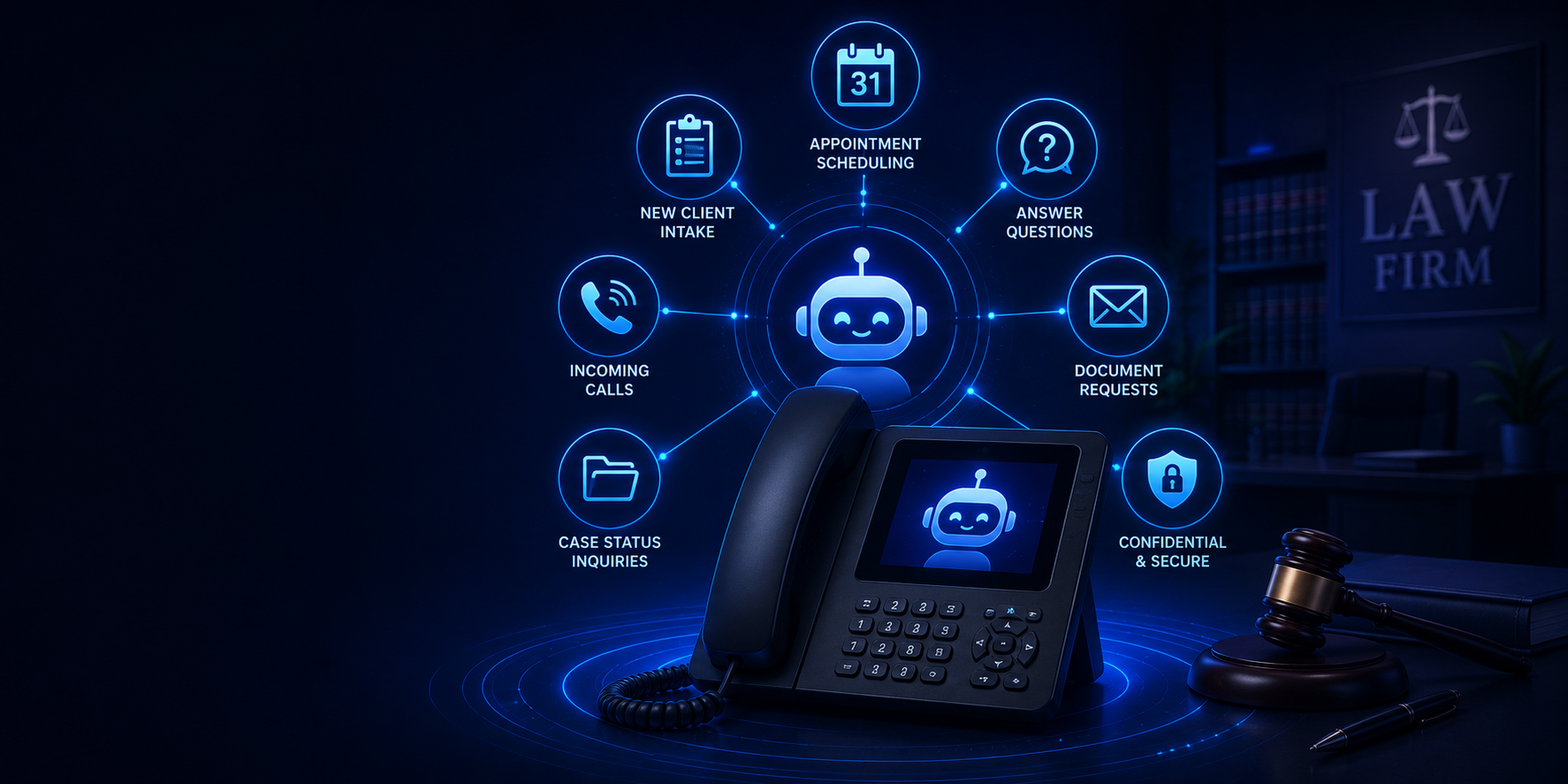
A law firm’s VoIP system can contain far more than live audio: caller names, numbers, voicemail, transcripts, recordings, text messages, contact lists, call notes and location data. Protecting client confidentiality therefore requires more than choosing a reputable carrier. The firm should configure access, authentication, retention, mobile use, vendor support and employee offboarding around the sensitivity of the information.
Key Takeaways
- Inventory every type of information the phone platform stores.
- Require unique accounts and multifactor authentication where available.
- Limit administrator, recording and shared-mailbox access by role.
- Send notifications only to managed business accounts.
- Review vendors, support access, retention and incident response.
- Include the phone system in onboarding, training and offboarding.
Confidentiality Is Broader Than Privilege
ABA Model Rule 1.6 requires reasonable efforts to prevent unauthorized disclosure of or access to information relating to a representation. Florida’s rule is similarly broad. It is not limited to the content of a privileged conversation; a caller’s identity, the fact that a person contacted the firm and routing metadata may itself be sensitive.
The firm should apply its governing jurisdiction’s rules and its own counsel’s guidance. The practical takeaway is that communications data deserves the same deliberate governance as email and cloud files.
Review the Provider as a Cloud Vendor
Florida Bar Ethics Opinion 12-3 permits cloud computing when lawyers take reasonable precautions to maintain confidentiality, evaluate provider security and retain adequate access to information. For a VoIP platform, ask where data is stored, how it is encrypted, who can administer the tenant, how support personnel obtain access, what logs exist and how data can be exported or deleted.
Contract language matters, but operational reality matters more. Identify subprocessors, support channels, backup and recovery practices, breach notification, account termination and what happens to recordings or messages after cancellation.
Identity and Access Controls
Unique accounts
Do not share one administrator login among employees or vendors.
Least privilege
Grant access to recordings, shared voicemail, texting and analytics only where the role requires it.
Strong authentication
Use multifactor authentication where supported and prohibit password reuse.
Rapid offboarding
Disable apps, web portals, voicemail forwarding and integrations when access ends.
Voicemail, Transcripts and Email Notifications
Voicemail-to-email is convenient, but it duplicates information into another system and may place message content in inbox previews, mobile notifications or retention archives. Decide whether the email should include audio, a transcript, a secure link or only a notice that a message exists.
Automatic transcription introduces another data processor and creates searchable text that may be easier to forward or discover than audio. Use it only after evaluating accuracy, access, storage, retention and the types of calls the mailbox receives.
Remote Work and Personal Devices
Mobile and desktop apps should be governed by device policy. Require screen locks, supported operating systems, prompt updates and a way to remove access. Prevent staff from exporting contacts or forwarding calls to personal numbers without approval. Consider what appears on lock-screen notifications and whether household members can overhear conversations.
Configure First, Then Train
Security should be the default state. Remove unused features, restrict sensitive mailboxes and standardize notifications before training employees on the approved workflow. Training cannot compensate for a tenant where every user can reach every recording.
Frequently Asked Questions
Is a cloud phone system automatically confidential?
No. Confidentiality depends on the provider, configuration, user behavior, connected systems and the safeguards the firm applies.
Should voicemail audio be emailed?
Only after the firm evaluates the receiving mailbox, device notifications, forwarding risk and retention. A secure-link or notification-only model may be preferable.
Can employees use personal phones?
A business app can separate identity, but the firm still needs a policy for device security, notifications, contact storage and offboarding.
Does encryption solve every risk?
No. Encryption is important, but account compromise, excessive permissions, forwarding and poor retention can still expose information.
Continue Learning
Design Around the Firm’s Real Workflow
Tier 1 Telecom helps Florida law firms map intake, staff roles, offices, security, continuity and support requirements before recommending a platform.
Review Your Communications Security
We can review your current numbers, call paths, equipment, internet and client-communication workflow.