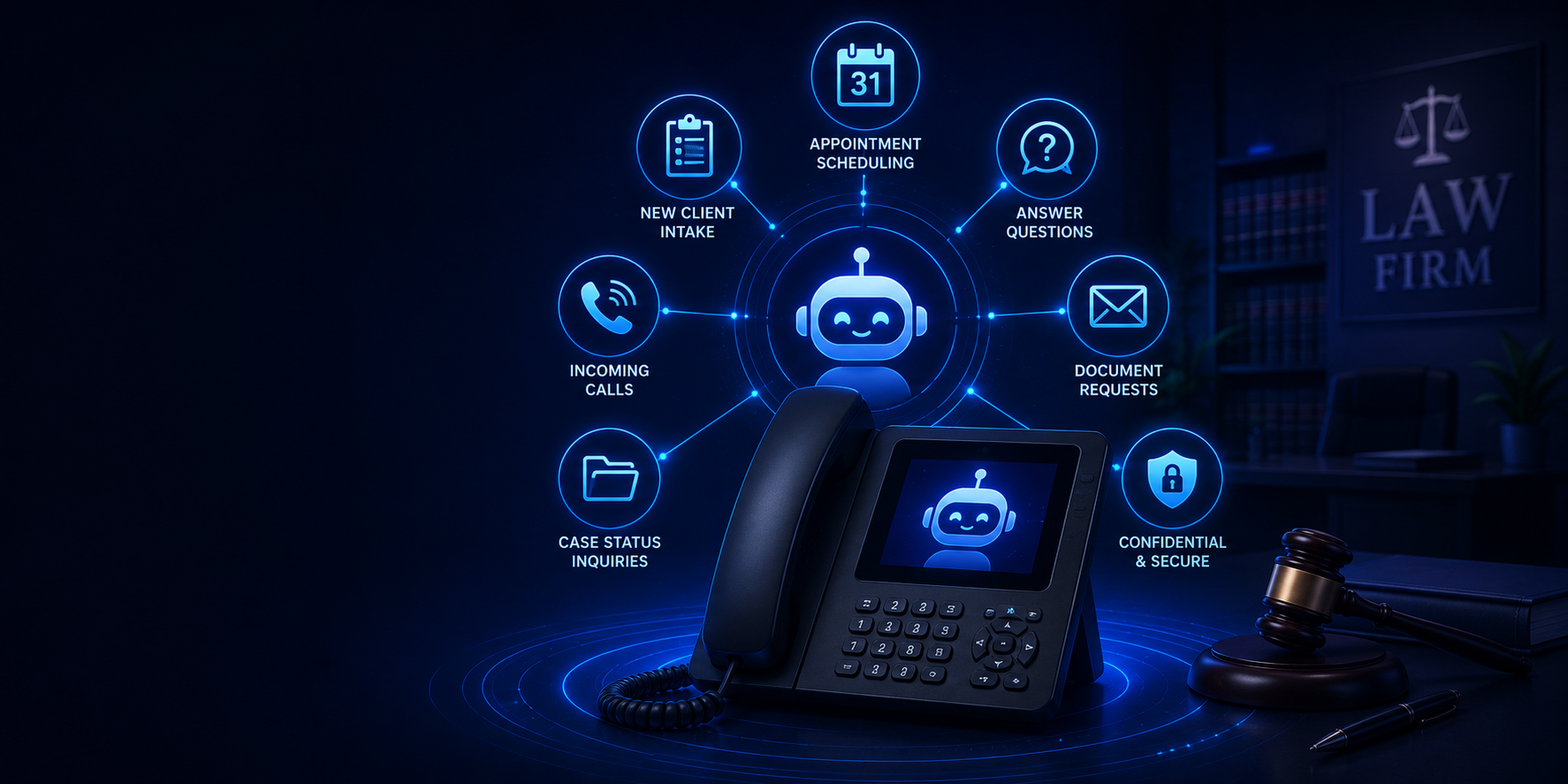
The Short Answer
Business texting can help law firms confirm consultations, share office instructions, request a return call and provide approved status updates. It should use firm-owned numbers, role-based access and documented retention—not employees’ personal text threads. The firm should define what may be discussed by text, obtain any consent required for the message type and move substantive or sensitive communication to an appropriate channel.
Key Takeaways
- Text from firm-owned business numbers.
- Separate one-to-one service messages from marketing campaigns.
- Set boundaries for sensitive facts and documents.
- Use shared inbox ownership without giving everyone unrestricted access.
- Preserve messages according to the firm’s approved retention process.
- Make opt-out and escalation procedures clear to staff.
Good Uses for Law Firm Texting
Consultation logistics
Confirm time, location, parking, video-link delivery or a request to reschedule.
Callback coordination
Let a caller know that the intake team or attorney will return the call within an approved window.
Document reminders
Request that the client use the firm’s approved portal or delivery method rather than sending sensitive files by text.
Routine status
Send a neutral notification that an update is available without placing matter details in a lock-screen preview.
What Should Stay Out of Ordinary Text Threads
Avoid detailed legal advice, highly sensitive personal facts, credentials, payment-card data, identification documents and large case files unless the firm has specifically approved and secured that workflow. Texting is useful for coordination; it is not automatically the right system for every communication.
Write templates so notifications reveal the minimum necessary information. “Please call our office regarding your appointment” may be safer than a message that names a charge, medical condition or dispute.
Shared Inbox and Ownership
A shared business inbox prevents client communication from being trapped on one employee’s phone. Assign conversation ownership, show when another team member is replying and define what happens when a message arrives after hours. Restrict access by practice area or function when a single tenant serves several teams.
When an employee leaves, the number and history remain with the firm. Remove app access promptly and reassign open conversations as part of offboarding.
Consent, Marketing and Opt-Outs
Appointment and service messages are not the same as promotional campaigns. The consent and disclosure requirements can depend on who is being contacted, the content, the technology used and applicable federal or state law. The firm should have counsel approve its texting categories, templates, opt-in evidence and opt-out handling rather than assuming that an existing phone number permits every future message.
Honor opt-outs promptly. Keep marketing lists separate from active-client service conversations, and do not allow staff to bypass a suppression list from a personal device.
Retention and Matter Records
Decide whether messages are exported to the practice-management or document system, retained in the phone platform, or deleted under a documented schedule. The answer may vary by practice area and message type. Staff need a clear rule for when a text becomes part of the matter file.
Review attachments, search, export, administrator access and legal-hold capabilities before relying on the platform as the system of record.
Use Texting to Move Work Forward
The best workflow is narrow and intentional: confirm, coordinate, notify and direct the person to the approved channel for sensitive information. Convenience should not erase the firm’s communication boundaries.
Frequently Asked Questions
Can a law firm text from its main number?
Often yes, when the provider supports business messaging and the number is properly registered and configured.
Should attorneys text from personal numbers?
A firm-owned number and managed app usually provide better identity, continuity, access control and offboarding.
Can clients send documents by text?
The platform may allow attachments, but the firm should decide whether that channel meets its security, retention and workflow requirements.
Who should answer incoming texts?
Assign a responsible team or conversation owner with coverage, response targets and escalation rules.
Continue Learning
Design Around the Firm’s Real Workflow
Tier 1 Telecom helps Florida law firms map intake, staff roles, offices, security, continuity and support requirements before recommending a platform.
Plan a Business Texting Workflow
We can review your current numbers, call paths, equipment, internet and client-communication workflow.