Medical offices receive a constant stream of phone calls throughout the day. Patients call to schedule appointments, ask questions, request prescription refills, verify insurance, and follow up on test results. While every call is important, not every call requires a member of the clinical staff.
For many practices, the challenge isn’t providing excellent care.
It’s answering every call while caring for the patients already in the office.
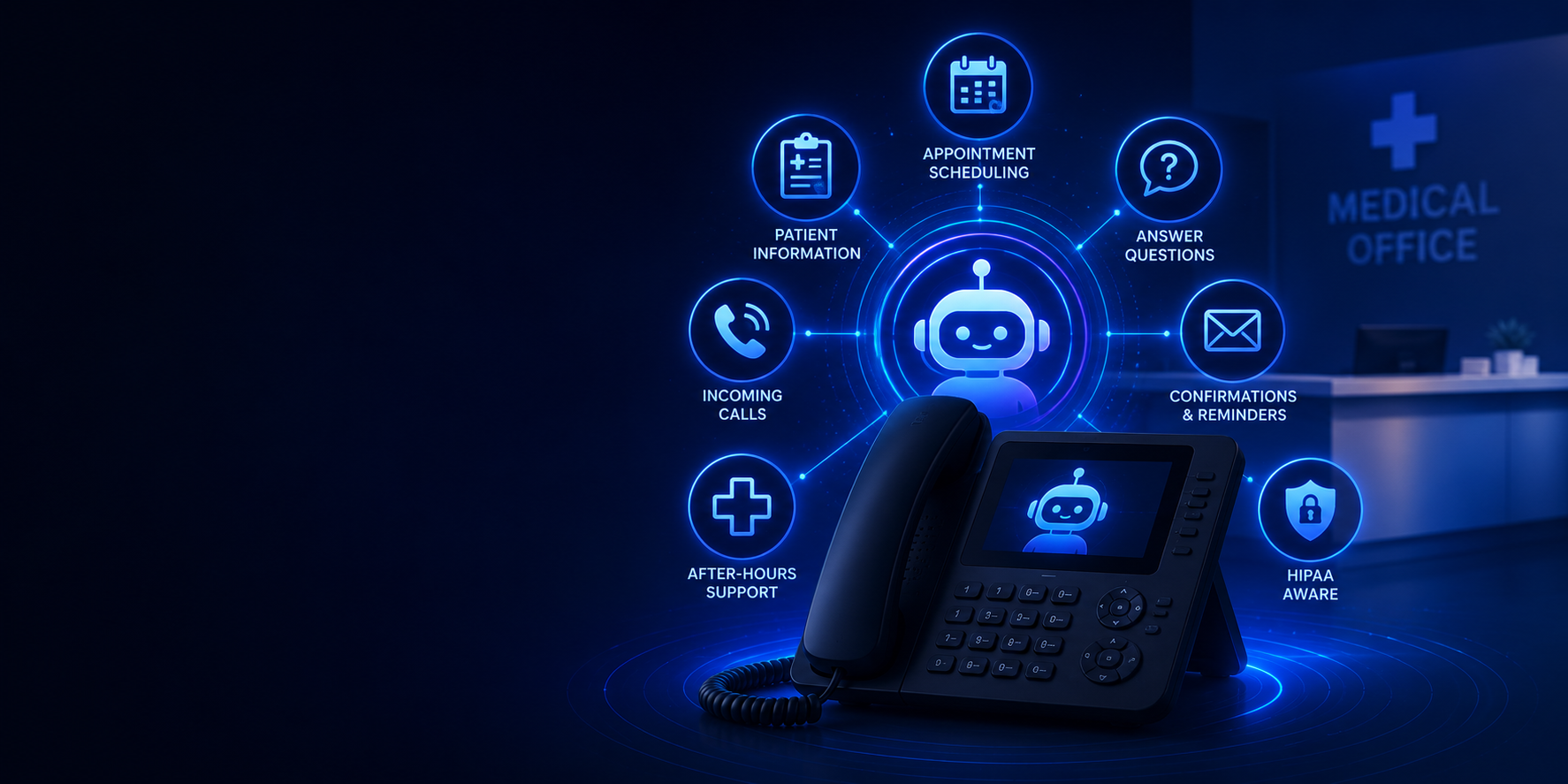
An AI receptionist helps medical offices answer calls immediately, schedule appointments, answer routine questions, and reduce the number of interruptions your staff experiences throughout the day.
Every Ring Interrupts Patient Care
Medical offices rarely have quiet phones.
Calls may involve:
- New patient appointments
- Existing patient scheduling
- Office hours
- Insurance participation
- Directions to the office
- Prescription refill requests
- Billing questions
- General information
Every interruption pulls someone away from helping a patient who’s already in the office.
An AI receptionist helps handle many routine conversations so staff can stay focused on patient care.
Patients Expect Immediate Answers
Patients don’t always call during convenient times.
They may call:
- During lunch
- Before work
- After work
- During busy clinic hours
If every call goes to voicemail, patients often become frustrated.
An AI receptionist can answer immediately, providing assistance even when every member of your front office is already helping someone else.
CUSTOMER SPOTLIGHT
Fewer Interruptions at the Front Desk
One medical practice found that receptionists spent much of the day answering the same questions repeatedly.
Patients wanted to know:
- Office hours
- Whether insurance was accepted
- How to schedule an appointment
- Where the office was located
- Which documents to bring
The staff provided excellent service, but constant interruptions made it harder to focus on patients checking in and out.
After implementing an AI receptionist, routine questions were answered automatically.
The front desk staff still handled situations requiring personal attention, but they spent far less time repeating the same information throughout the day.
Scheduling Appointments
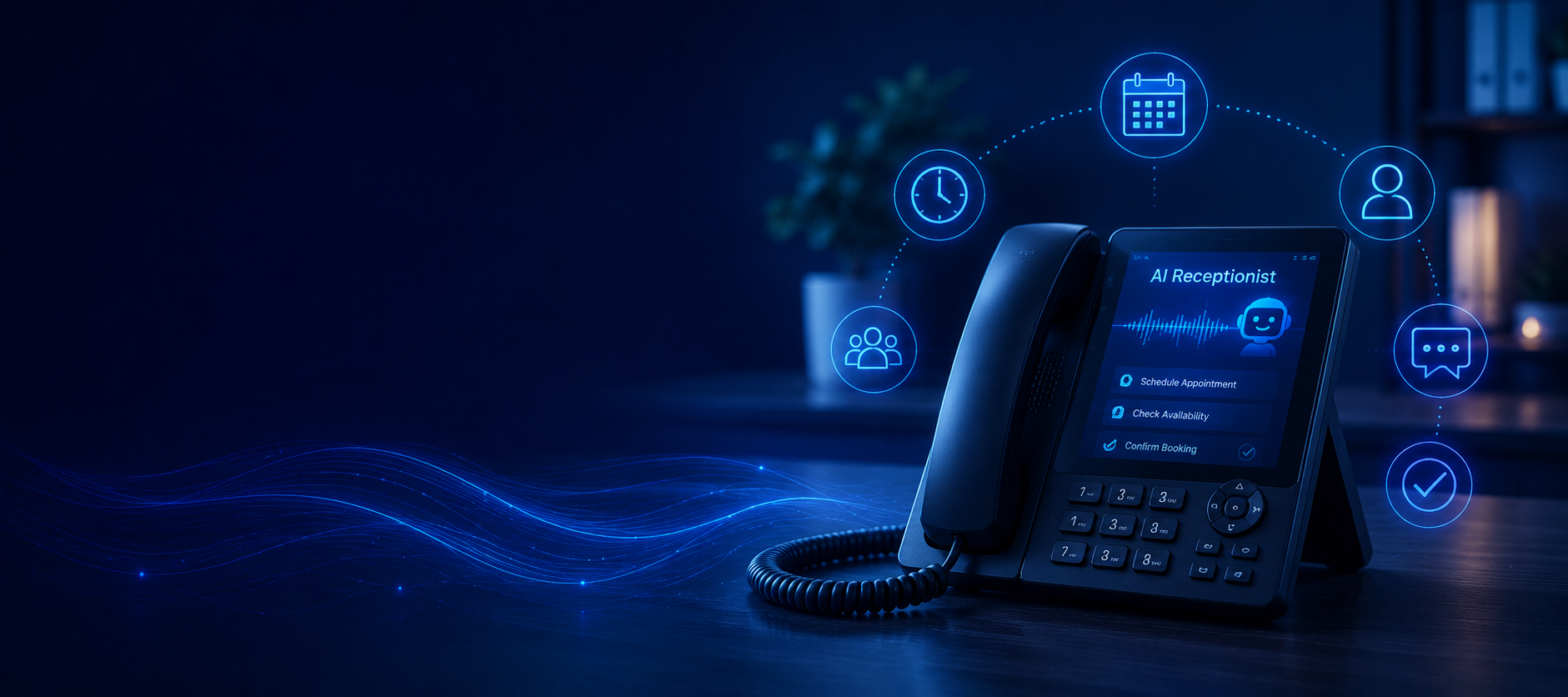
Appointment scheduling is one of the biggest advantages of an AI receptionist.
Depending on your scheduling workflow, it may be able to:
- Schedule appointments
- Reschedule appointments
- Cancel appointments
- Verify appointment times
- Send reminders
- Collect patient information
Patients receive immediate assistance while your staff spends less time on routine scheduling calls.
Answering Common Questions
Medical offices answer many of the same questions every day.
Examples include:
- What are your office hours?
- Which insurance plans do you accept?
- Where are you located?
- How do I become a new patient?
- What should I bring to my appointment?
- How do I request records?
- How do I contact the office after hours?
An AI receptionist can answer many of these routine questions using information your practice has approved.
That creates a more consistent patient experience while reducing repetitive work for your team.
Knowing When a Person Is Needed
Healthcare requires judgment.
An AI receptionist isn’t intended to replace your clinical staff.
Instead, it recognizes when a conversation should be transferred.
For example:
- Medical emergencies
- Clinical questions
- Prescription decisions
- Sensitive patient situations
- Requests requiring a nurse or physician
The AI follows your routing rules instead of attempting to answer questions outside its approved knowledge.
Supporting HIPAA-Conscious Workflows
Patient privacy is essential.
Any AI receptionist used by a medical practice should be evaluated to ensure it supports your organization’s privacy, security, and compliance requirements.
During implementation, Tier 1 Telecom works with your practice to determine the appropriate workflow and integration approach for your environment.
Working With Existing Systems
Many medical offices already rely on scheduling platforms, electronic health record systems, and calendars.
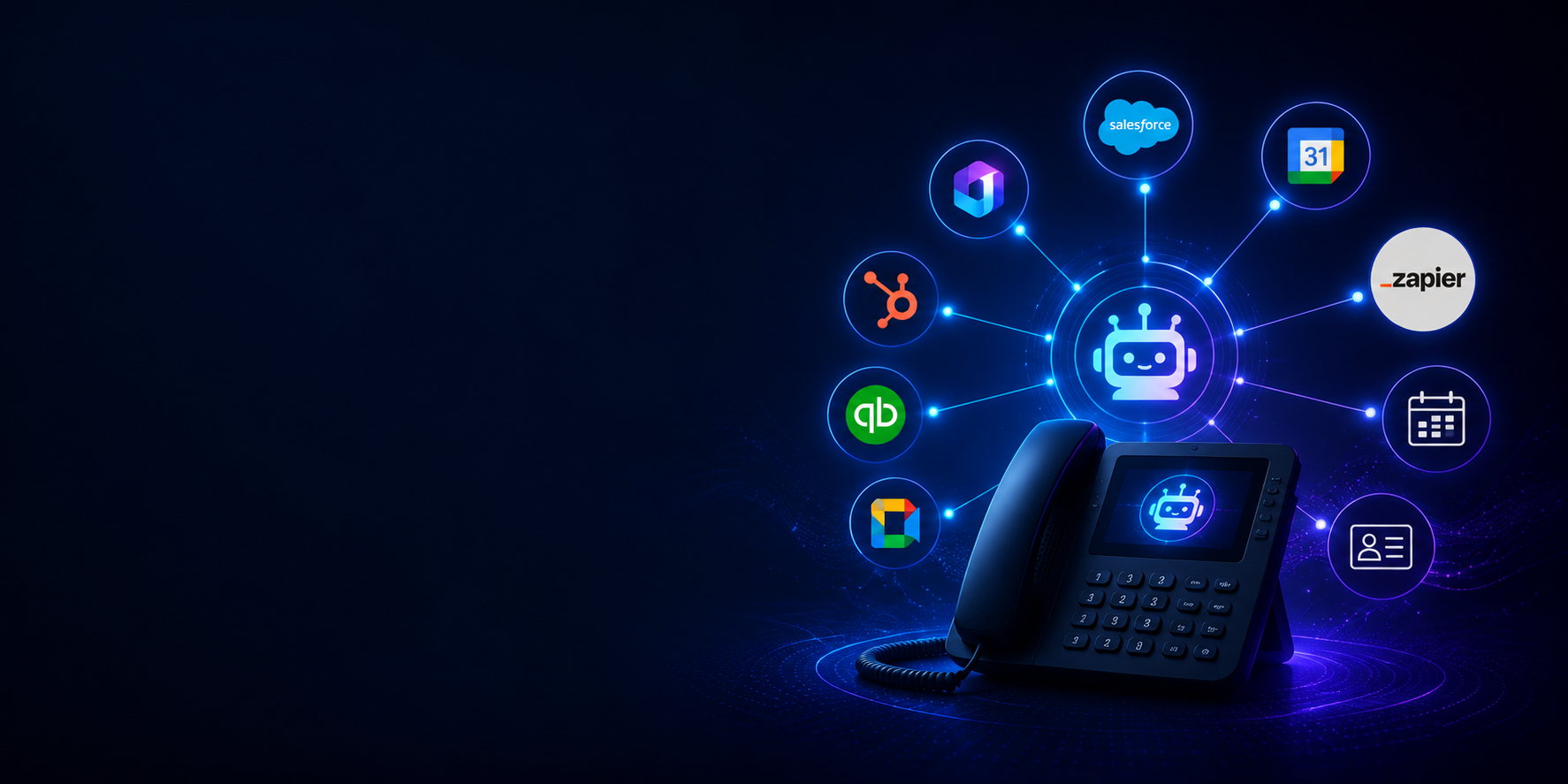
Depending on your existing software, an AI receptionist may integrate with:
- Microsoft 365
- Google Workspace
- Scheduling platforms
- Calendar systems
- CRM platforms
- Other approved business workflows
Available integrations depend on your existing technology and implementation requirements.
Better Experiences for Patients
Patients don’t judge your practice only by the care they receive.
They also remember:
- How easy it was to reach someone
- How quickly appointments were scheduled
- Whether questions were answered promptly
- How smooth the overall experience felt
An AI receptionist helps create that positive first impression by answering immediately and providing consistent information every time.
Frequently Asked Questions
Can an AI receptionist schedule patient appointments?
Yes. Depending on your scheduling system and workflow, it may schedule, reschedule, or cancel appointments.
Can it answer patient questions?
It can answer many routine administrative questions using information approved by your practice.
Can it replace my front desk staff?
No. It reduces repetitive interruptions so your staff can spend more time helping patients.
What happens if a patient needs medical advice?
The AI follows your routing rules and transfers situations requiring clinical judgment to the appropriate member of your team.
Can it answer after hours?
Yes. It can continue helping patients when your office is closed by answering routine questions, providing approved information, and following your after-hours procedures.
Can it work with our scheduling software?
Many scheduling and business systems can be integrated. The available options depend on your existing software.
Better Patient Service Starts With Better Communication
Every patient interaction matters.
An AI receptionist helps ensure every caller receives prompt attention—even during your busiest hours.
By answering routine questions, scheduling appointments, and routing patients appropriately, it allows your team to spend more time delivering excellent care and less time repeating the same information throughout the day.
For many medical practices, that means a better experience for both patients and staff.
Ready to See How It Works?
Wondering whether an AI receptionist is right for your medical office?
We’ll show you how it can:
- Answer incoming calls
- Schedule appointments
- Answer routine patient questions
- Support your front desk staff
- Handle after-hours calls
- Integrate with your existing workflow
Every medical practice is different.
We’ll help configure an AI receptionist that supports your staff while providing patients with a fast, professional, and consistent experience.