The Short Answer
After-hours routing should not send every caller directly to an attorney or leave every caller in the same voicemail box. Use a separate closed-hours greeting, define which matters qualify for escalation, rotate coverage through a published schedule and require a backup destination when the primary responder does not answer. The workflow should collect only approved information and should never promise representation or a response time the firm cannot meet.
Key Takeaways
- Use a dedicated after-hours greeting and call flow.
- Define urgent categories in policy before programming the system.
- Keep on-call numbers private behind the business platform.
- Escalate automatically when the primary responder does not answer.
- Verify that a person accepted the call or message.
- Review schedules, holidays and coverage changes routinely.
Decide What “Urgent” Means
The phone system cannot invent the firm’s urgency policy. Practice leaders should define which caller situations qualify for immediate escalation, which may wait until the next business day and what information intake personnel may collect. Criminal defense, family law, personal injury, immigration and business litigation may require different after-hours rules.
Use neutral screening questions. An automated menu or answering service should not make legal judgments or imply an attorney-client relationship. When uncertainty exists, route according to the firm’s approved fallback.
A Reliable Escalation Sequence
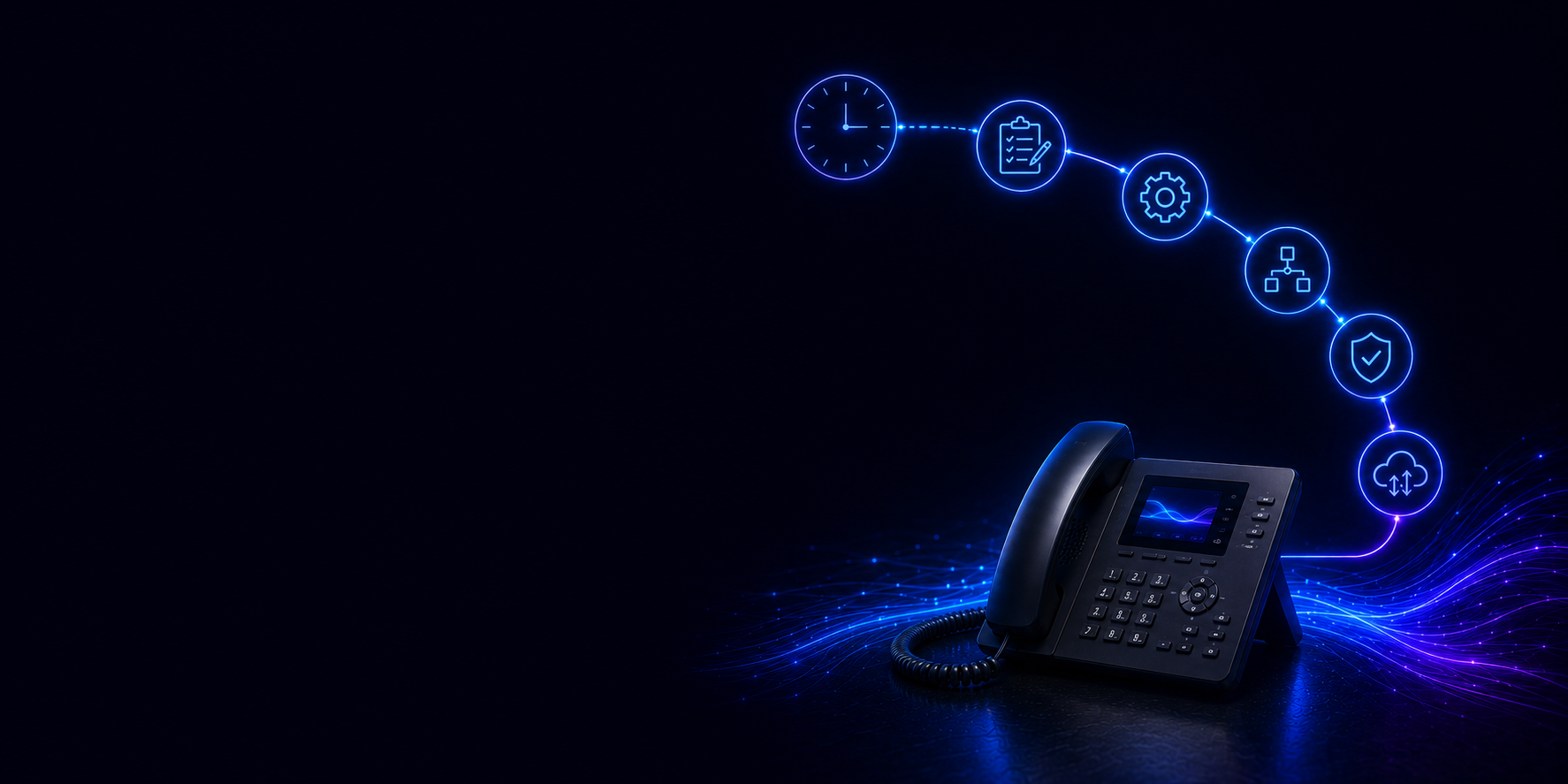
1. Primary coverage
Ring the scheduled attorney or intake professional for a defined interval.
2. Backup coverage
If unanswered, route to the designated secondary person without exposing private numbers.
3. Acknowledgment
Require the responder to accept the call or confirm receipt of the message.
4. Final fallback
Use a monitored mailbox or approved service with a clear next-business-day owner.
Protect the On-Call Attorney’s Number
The platform should present the firm’s caller ID and bridge the call without disclosing a personal mobile number. Attorneys can return calls through the business app or a click-to-call feature so clients continue using the firm’s published number.
Mobile notifications should avoid matter details on the lock screen. Access should end promptly when an attorney leaves the rotation or the firm.
Answering Service, AI or Direct Routing?
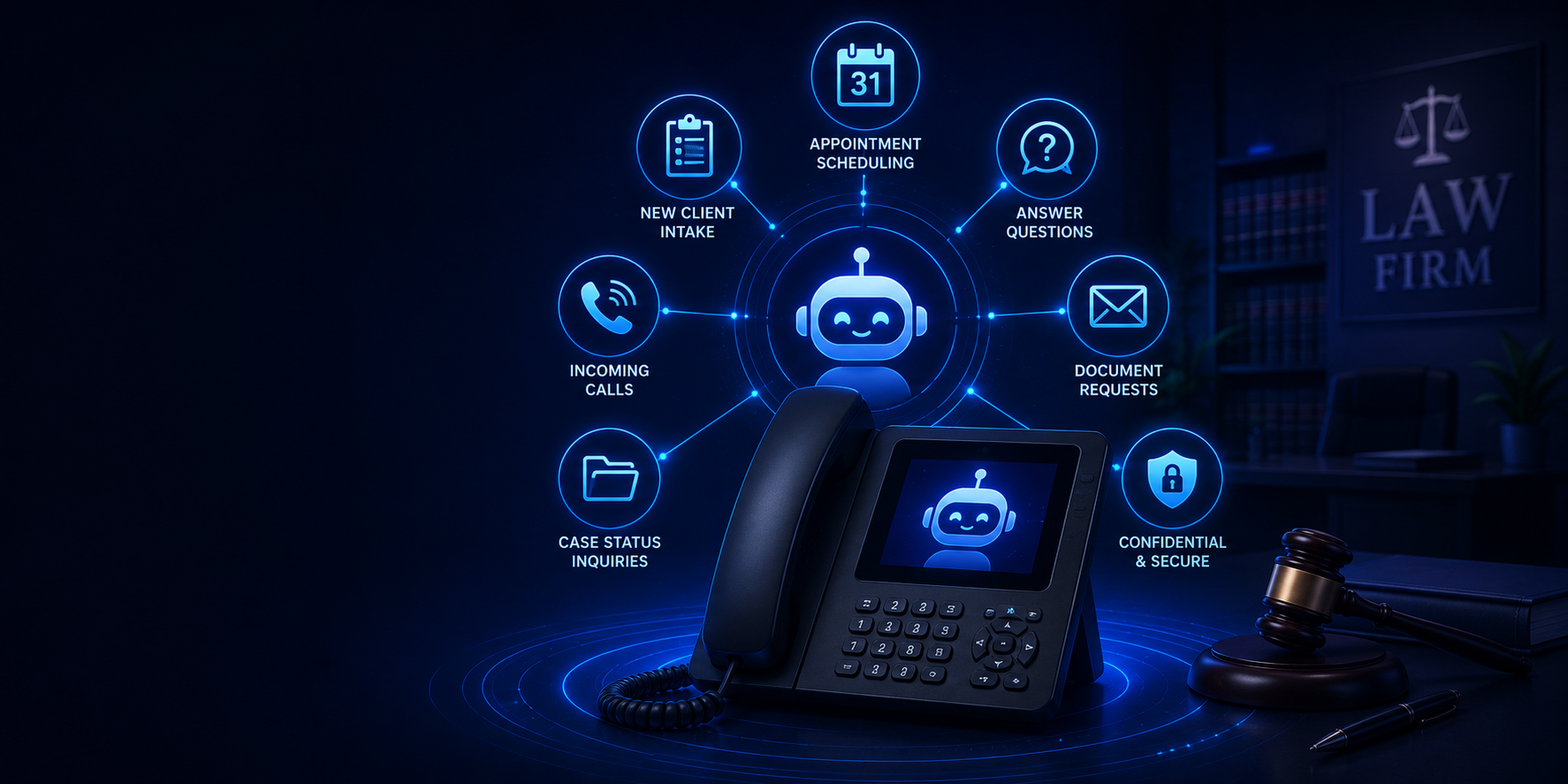
A human answering service can collect approved information and make a live transfer. An AI receptionist can handle defined administrative steps, but the existing AI receptionists for law firms guide should be reviewed separately. Direct routing is simplest but places more interruption and screening responsibility on the attorney.
The right model depends on volume, practice area, response commitment and the sensitivity of information callers may disclose. Any third party should be reviewed under the firm’s confidentiality and vendor process.
Schedules and Exceptions
Maintain one authoritative schedule for weekdays, weekends, holidays and temporary closures. Program exceptions in advance and assign at least two people who can change routing. Test the flow from an outside phone after every material change.
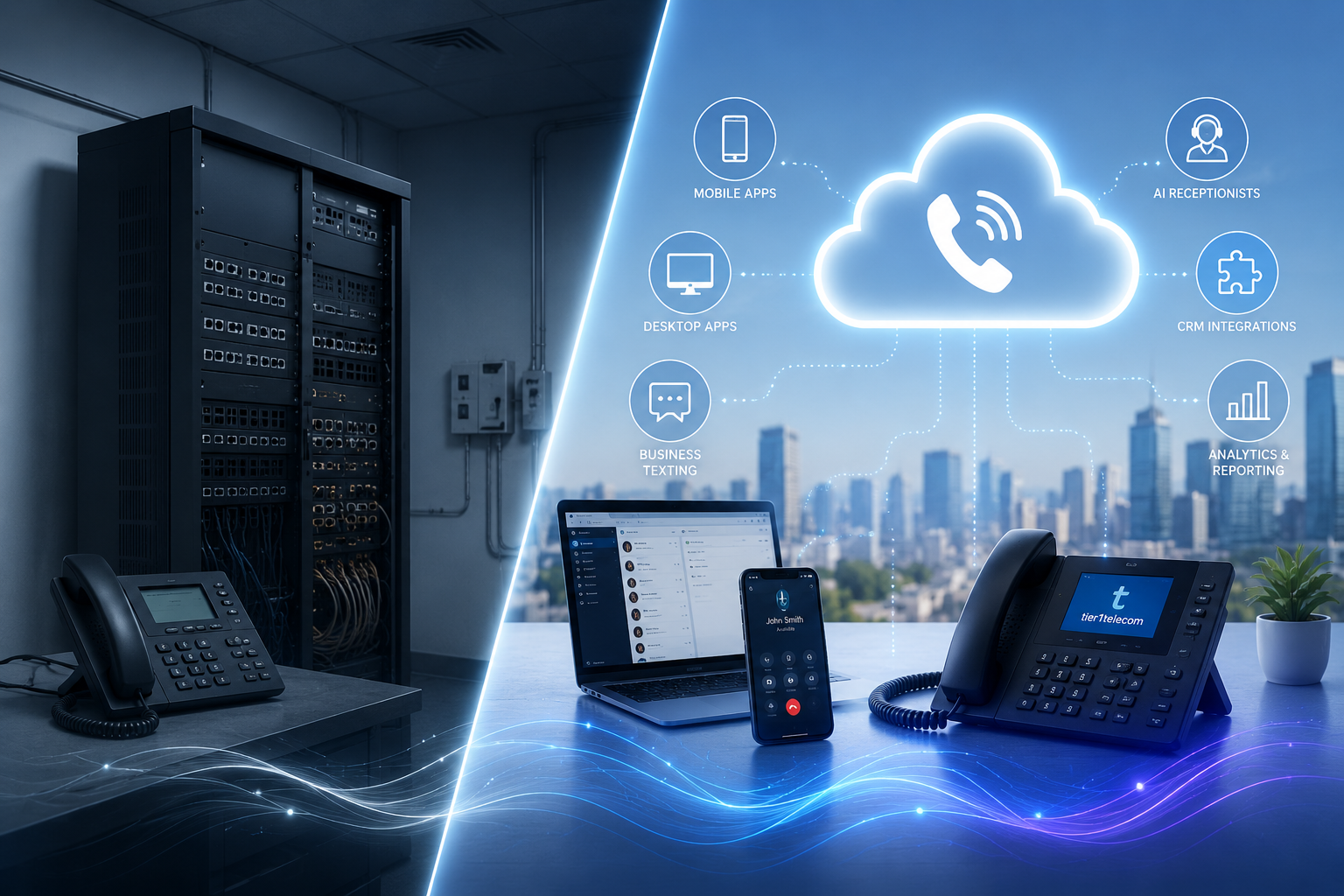
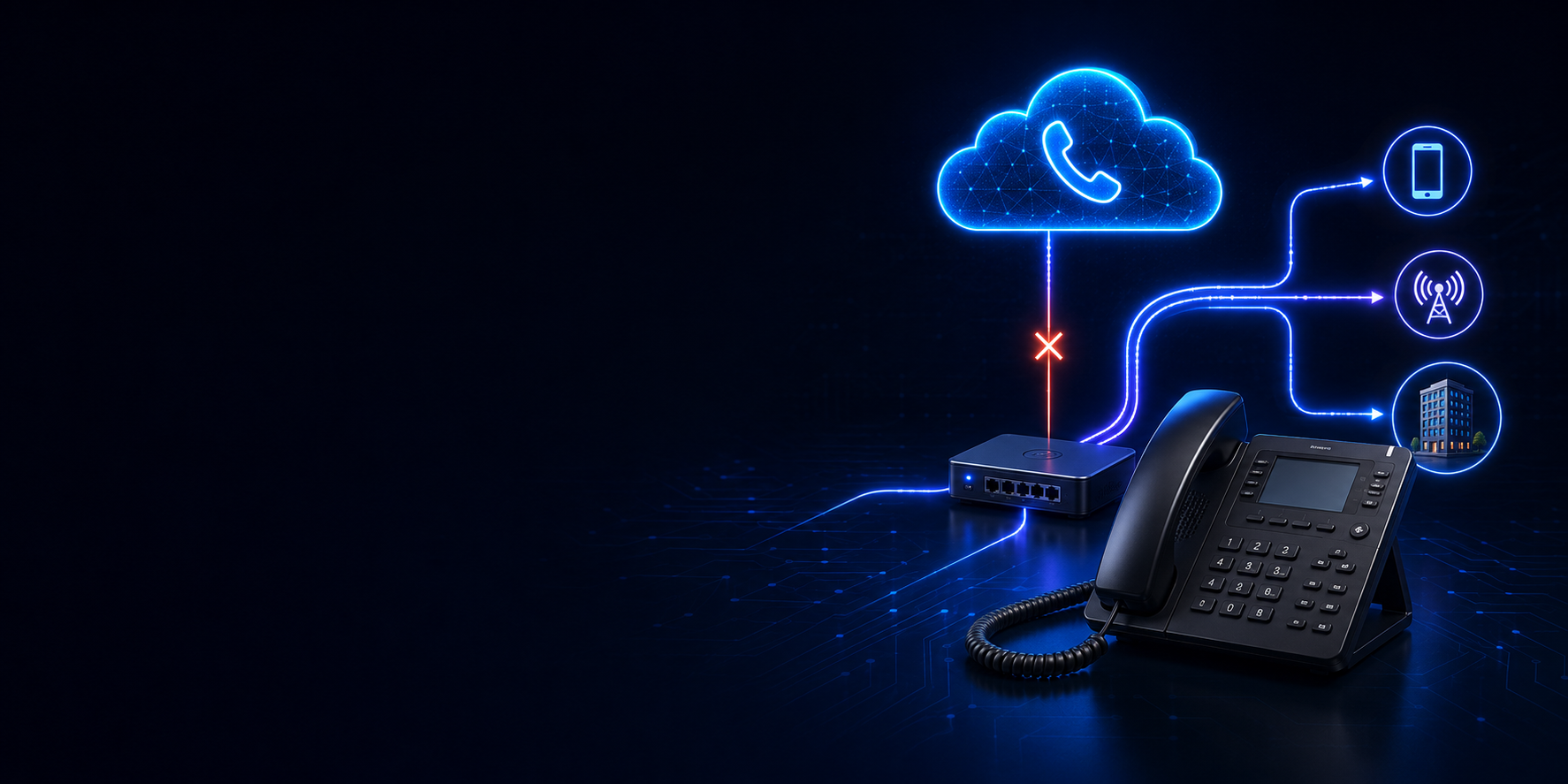
Include outage behavior. If the office internet is down, cloud routing can still reach mobile or external destinations, but the team needs a documented way to administer the system.
Measure Completed Handoffs
A call reaching the on-call number is not the same as a call being handled. Track answer, acceptance, fallback and response outcomes so the firm can find coverage gaps.
Frequently Asked Questions
Should every after-hours call reach an attorney?
No. Separate routine messages from the categories the firm has approved for immediate escalation.
Can the system rotate on-call staff automatically?
Many platforms support schedules and sequential routing, but ownership of the schedule and testing still matter.
What if the on-call attorney misses the call?
Use a timed backup destination and a final monitored fallback rather than relying on one device.
Can callers see the attorney’s cell number?
Not when calls and callbacks are handled through the firm’s platform and business caller ID.
Continue Learning
Design Around the Firm’s Real Workflow
Tier 1 Telecom helps Florida law firms map intake, staff roles, offices, security, continuity and support requirements before recommending a platform.
Design Your After-Hours Routing
We can review your current numbers, call paths, equipment, internet and client-communication workflow.