The Short Answer
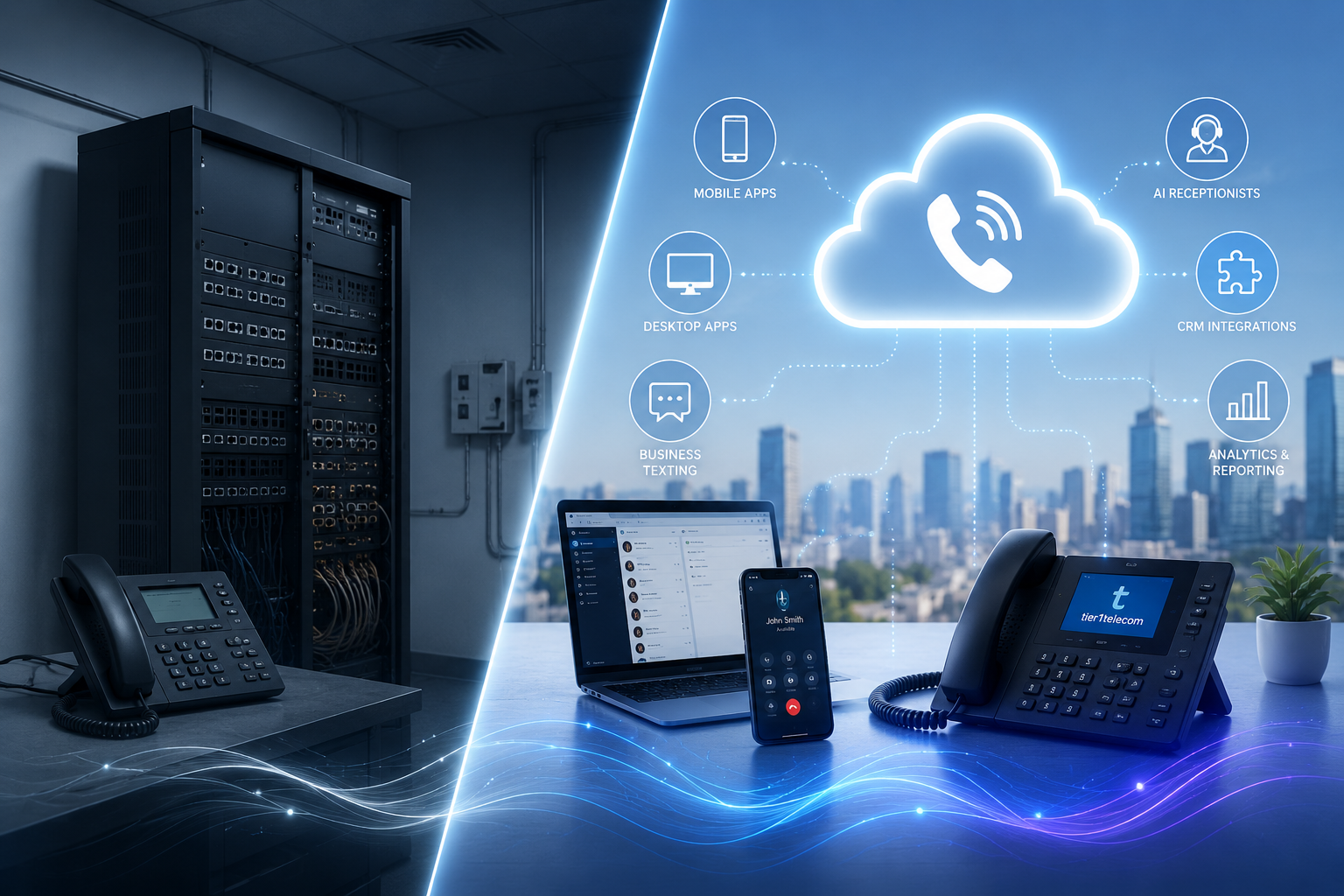
A multi-office or hybrid law firm should operate one managed communications platform with consistent dialing, permissions, support and reporting, while preserving local numbers, business hours, intake teams and emergency-location data. Employees should be able to work across approved locations without callers learning personal numbers or being trapped in the wrong office’s voicemail.
Key Takeaways
- Standardize the platform, naming and permissions firmwide.
- Preserve local numbers and location-specific caller experience.
- Route by practice area, office, language or caller intent.
- Maintain dispatchable location for fixed and nomadic users.
- Use business apps instead of unmanaged call forwarding.
- Design internet, power and routing continuity by site.
One Platform, More Than One Call Flow
Centralization does not mean every office answers identically. A shared main number can route by practice area or location, while local numbers retain the identity clients already know. Reception may be centralized during peak hours and returned to local teams at other times.
Use consistent extension naming, voicemail rules, business texting, transfer behavior and support procedures. Local exceptions should be documented rather than improvised.
Local Numbers and Firmwide Identity
Keep valuable existing numbers during migration. Decide which numbers present the firmwide brand and which should retain a local office identity. Outbound caller ID should match the number clients can successfully call back.
Avoid displaying an attorney’s personal number when working remotely. The desktop or mobile app should place calls through the firm’s platform, preserving identity and business records.
Routing Across Offices
Local-first
Send calls to the selected office, then overflow to a centralized team when local staff are busy.
Practice-area first
Route all offices into specialized intake groups while preserving the number and campaign dialed.
Follow-the-day
Shift coverage among offices based on hours, staffing or time zone.
Continuity mode
Bypass an offline site and keep the published number answered elsewhere.
Hybrid and Remote Employees
Give approved users a supported desktop app, mobile app or managed desk phone. Define whether an employee may work from any location, only registered locations or firm-issued devices. Apply the same account, authentication, voicemail and offboarding rules everywhere.
Home internet and power are not equivalent to an office environment. Attorneys with critical call responsibilities may need wired connectivity, a headset, backup internet or a documented mobile fallback.
E911 and Dispatchable Location
Emergency calling needs location-specific planning. Kari’s Law and RAY BAUM’S Act guidance addresses direct 911 dialing, notification and dispatchable location for multi-line systems. Configure each office, suite, floor and supported nomadic-user scenario so responders receive useful location information.
Do not assume the firm’s main billing address is correct for every device. Document who updates locations when users move or offices change.
Reporting and Administration
Use standardized queue names and business definitions so reports can compare offices fairly. Track answer rate, wait, abandonment, transfers and after-hours outcomes by location and intake group. Restrict local administrators to the settings they truly need, while central IT or operations maintains tenantwide standards.
Continuity Must Be Designed Per Site
Each office needs an inventory of internet circuits, firewall, switches, UPS runtime, paging or door integrations and fallback routing. A cloud platform can reroute calls away from an outage, but only if the destinations and authority were configured before the event.
Frequently Asked Questions
Can all offices share one main number?
Yes, while local numbers remain available. Routing can use caller selection, location, practice area or schedule.
Can an attorney use the same extension everywhere?
Yes. A user can typically sign into approved desk, desktop and mobile endpoints under one business identity.
Does every remote location need E911 configuration?
Emergency-location requirements depend on the service and use case, but nomadic users need a reliable process for registering and updating location.
Should each office have its own phone vendor?
Usually one managed platform is easier to secure, support and report on, while local carriers or circuits may still differ.
Continue Learning
Design Around the Firm’s Real Workflow
Tier 1 Telecom helps Florida law firms map intake, staff roles, offices, security, continuity and support requirements before recommending a platform.
Plan a Multi-Office Phone System
We can review your current numbers, call paths, equipment, internet and client-communication workflow.