The Short Answer
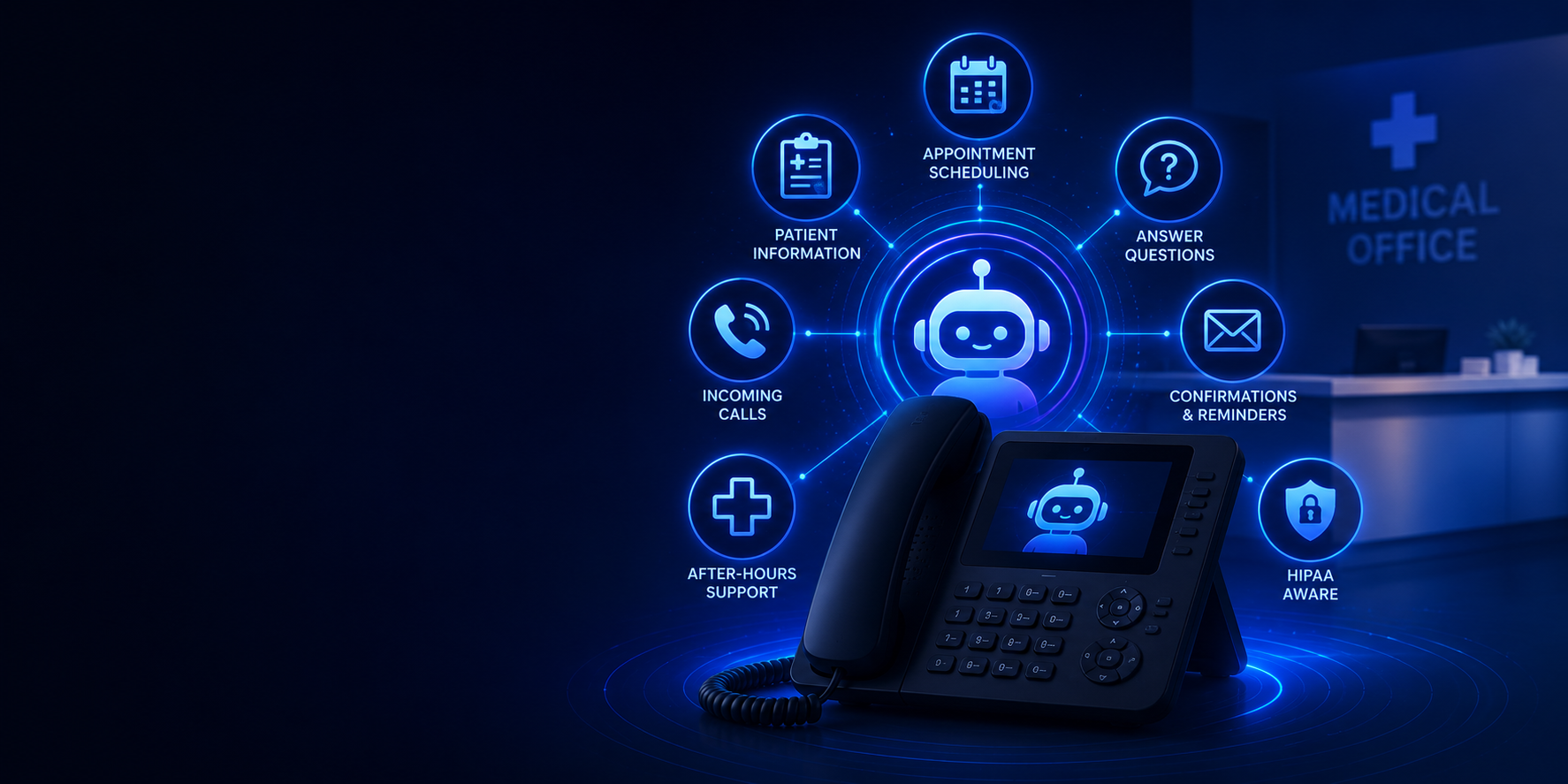
A good medical or dental call flow separates scheduling, existing-patient needs, referrals and billing without creating a maze. Each queue needs an owner, a response target and an overflow destination. Clinical escalation should be documented separately from routine front-desk routing, and after-hours logic should activate automatically by schedule.
Key Takeaways
- Keep the first menu short and use plain language.
- Route by caller need, not internal department names.
- Set queue thresholds and an overflow owner.
- Create a separate provider-office or referral path where volume justifies it.
- Define who reviews voicemail and when.
- Test business-hours, lunch, holiday and after-hours schedules.
Start With Patient Intent
Most callers want one of a few outcomes: make or change an appointment, reach the office about an existing care plan, send records or referrals, resolve a bill, or get help outside normal hours. Build the menu around those outcomes. Internal labels such as “central services” or “clinical pod two” mean little to a patient.
Where possible, answer frequent informational questions—hours, location and fax instructions—without forcing every caller into the queue. Do not make the announcement so long that callers cannot reach help quickly.
A Simple Business-Hours Pattern
Appointments and new patients
Route to scheduling with overflow to a trained backup or callback process.
Existing-patient questions
Route to the appropriate team without implying immediate clinical advice.
Provider offices and referrals
Use a dedicated path when it improves coordination and reduces front-desk congestion.
Billing
Send to the responsible staff or a monitored mailbox with a clear response expectation.
Queues, Callbacks and Overflow
A queue should be visible to the people responsible for it. Define the maximum wait that is acceptable during normal operations, what callers hear, whether callback is offered and what happens when staffing drops. Overflow may ring a second team, an external answering partner or a supervisor; it should not simply send every caller to an unowned voicemail box.
Queue reports are useful when they lead to staffing or workflow changes. Measure abandoned calls, longest wait, answer time, callbacks completed and transfers. Avoid evaluating individual staff from one isolated metric.
Clinical Escalation
The phone system can deliver a call or message, but it does not create a clinical triage policy. The practice should define which callers are transferred, which messages are marked urgent, what information may be collected, who acknowledges the handoff and when emergency services should be recommended.
Use warm transfers for sensitive or high-stakes handoffs where practical. If the receiving person does not answer, the caller should return to a known destination rather than falling into an unexplained voicemail.
Lunch, Holidays and Unexpected Closures
Use calendar-based schedules for lunch, holidays, staff meetings and planned closures. A manual “office closed” control can help during weather events or building problems, but only authorized people should change it. Document how the practice restores normal routing.
Test the full path from an outside phone. Internal testing can miss caller-ID, carrier and menu timing issues.
Routing Review Checklist
- List every published telephone number and where it enters the system.
- Document menu options in the caller’s language.
- Name a primary and backup owner for every queue and mailbox.
- Set business-hours, holiday and after-hours schedules.
- Test transfers, overflow, callback and dropped-call recovery.
- Review reports monthly and after major staffing changes.
Frequently Asked Questions
How many menu options should a practice use?
Use the fewest options that reliably route major call types. A short first menu is usually easier for patients.
Should callers be able to reach an operator?
Yes, when staffing permits. Provide a clear path for callers who cannot use the menu or do not know which option fits.
Is voicemail acceptable for patient calls?
Yes, with reasonable safeguards, limited disclosure and a monitored response process.
What is the best queue metric?
No single metric is enough. Review answer time, abandonment, callback completion and outcomes together.
Continue Learning
Design Around Patient Access, Staff Workflow and Risk
Tier 1 Telecom helps Florida medical and dental practices map call flows, locations, equipment, continuity and support requirements before recommending a platform.
Plan Your Practice Phone System
We can review your current numbers, call paths, sites, internet, paging and patient-contact workflows.