The Short Answer
Call queue callback—sometimes called virtual hold—lets a caller leave the phone queue without giving up their place in line. Instead of listening to hold music, the caller confirms a callback number, hangs up, and the phone system automatically reconnects them when their turn arrives.
For businesses with busy inbound call periods, it can be one of the simplest ways to make a call queue feel less frustrating without adding another employee just to watch the phones.
Key Takeaways
- Customers do not have to remain physically on hold.
- The callback request keeps its position in the queue.
- The system places the return call automatically when the caller reaches the front of the line.
- Callback can reduce the number of people who simply hang up during long waits.
- It is different from voicemail because the customer remains part of the active queue.
- It works especially well for businesses with predictable call spikes or small front-office teams.
- Callback can be paired with estimated wait time, queue announcements, overflow routing and reporting.
- The exact callback workflow and available settings depend on the phone platform and queue configuration.
What Is Call Queue Callback?
A traditional call queue does one thing very well: it keeps multiple callers organized when every employee is already busy. The problem is that the customer has to stay connected while waiting.
Call queue callback changes that experience. The caller still enters the queue, but the phone system gives them another option: request a return call instead of remaining on hold.
Once the request is accepted, the system preserves the caller's place. When that request reaches the front of the queue, the phone platform initiates the callback and reconnects the customer with an available employee.
This is why the feature is often described as virtual hold. The customer's position is still being held even though the customer is no longer listening to hold music.
How Does Automatic Call Queue Callback Work?
The exact prompts and settings vary by phone system, but the basic experience is straightforward:
The Caller Requests a Callback
While waiting in the queue, the caller hears an option such as, “Press 1 to receive a callback instead of waiting on hold.”
The Queue Saves Their Position
The caller confirms the callback number and hangs up. Their request continues moving through the queue without requiring them to stay on the phone.
The System Calls Them Back
When the request reaches the front of the line, the phone system places the return call and connects the customer with the next available employee.
Does the Caller Really Keep Their Place in Line?
Yes—when the callback feature is configured as an in-queue or virtual-hold callback, the callback request remains associated with the caller's position in the queue.
That is an important distinction. A basic “leave your number and we will call you later” message is not the same thing. That approach simply creates a follow-up task. A true queue callback allows the phone system to manage the caller's turn automatically.
The result is a much cleaner customer experience during busy periods. The caller can go back to work, drive, help a customer of their own, or simply put the phone down rather than waiting through several minutes of hold music.
Call Queue Callback vs. Voicemail
Callback and voicemail solve different problems. Voicemail is useful when nobody is available to take the call or when the caller prefers to leave information and move on. Queue callback is designed for a caller who still wants to speak with someone.
| Feature | Call Queue Callback | Voicemail |
|---|---|---|
| Caller keeps a place in line | Yes | No |
| System initiates the return call | Yes, when the request reaches the appropriate point in the queue | Usually requires an employee to review the message and call back manually |
| Best for | Busy periods when the caller still wants live assistance | After-hours messages, non-urgent requests or situations where a callback can happen later |
| Customer waits on hold | No | No, but the caller leaves the active queue |
A well-designed business phone system may offer both. The customer can choose the path that makes the most sense for the situation.
Is Queue Callback the Same as an Answering Service or AI Receptionist?
No. Callback improves what happens inside an existing call queue. An answering service or AI receptionist answers the call and interacts with the caller.
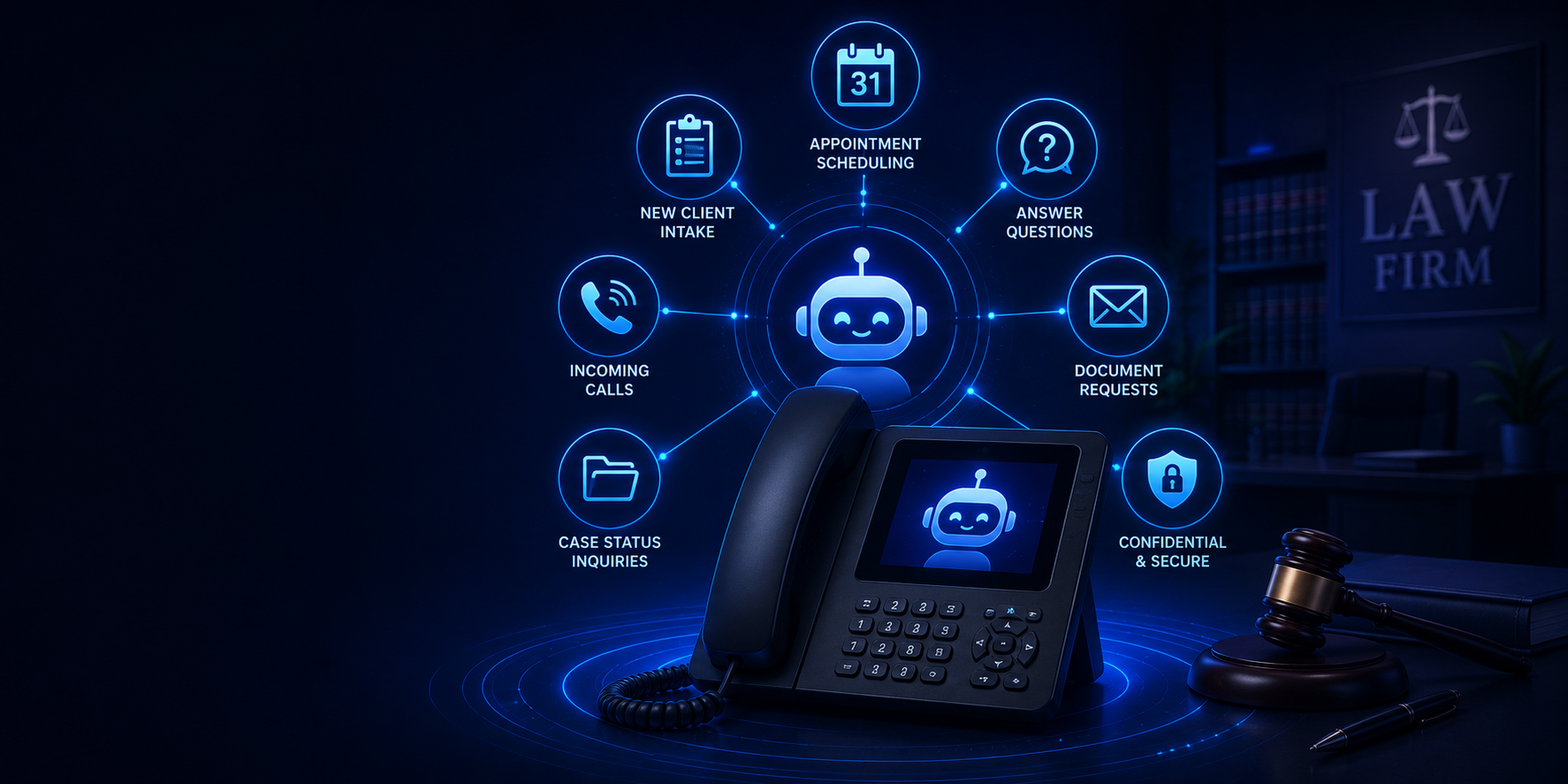
They can also work together. For example, a business might use an AI receptionist to handle common questions and routine requests, then transfer callers who need a person into a queue. If the human team is busy, the queue can offer a callback instead of forcing the caller to remain on hold.
If your primary problem is that calls are not being answered at all, see our comparison of AI receptionists vs. answering services. If the calls are being answered but customers are spending too long in queue, callback may be the more targeted fix.
Why Businesses Use Virtual Hold
Most callers are willing to wait briefly. The problem is uncertainty.
A customer who hears hold music without knowing whether the wait will be thirty seconds or ten minutes has to decide whether the call is worth their time. Some will stay. Others will hang up and try again later—or call a competitor.
Callback gives that customer another option. The business still handles calls in an orderly queue, but the customer no longer has to donate several minutes of attention to the process.
That can be especially valuable when a company has a good team but experiences short periods when inbound demand temporarily exceeds available staff.
Which Businesses Benefit Most From Call Queue Callback?
The feature is most useful when callers regularly encounter a queue but still need a live conversation.
- Law firms with busy intake periods
- Medical and dental offices
- HVAC, plumbing and other home-service companies
- Insurance agencies
- Property-management companies
- Auto repair and service departments
- Accounting and tax firms during seasonal peaks
- Restaurants with high takeout, catering or reservation volume
- Senior-living and healthcare organizations
- Any business with a small front office supporting a larger staff
It can also be useful for multi-location organizations that centralize incoming calls into one queue. Instead of having each office maintain extra receptionist capacity for peak periods, the queue can distribute demand across the available team and offer callback when necessary.
When Should a Phone System Offer the Callback Option?
Offering callback on every call is not always necessary. If someone is likely to reach an employee in ten seconds, adding another menu choice may create more friction than it solves.
A better setup is usually based on queue conditions. Depending on the phone platform, callback may be offered after the caller has waited a specified amount of time, when the queue exceeds a certain size, or when the estimated wait crosses a defined threshold.
The business should choose settings based on real call patterns. A queue that normally answers within thirty seconds may only need callback during unusually busy periods. A service department that frequently runs several minutes behind may want to offer it much sooner.
Queue reports can help identify the right trigger by showing wait times, abandoned calls, busy periods and agent activity.
Other Call Queue Features to Pair With Callback
Callback is strongest when it is part of a complete queue strategy rather than an isolated feature.
- Estimated wait time: Tell callers roughly how long the current wait is before they decide whether to stay or request a callback.
- Position-in-line announcements: Let callers know that the queue is moving.
- Overflow routing: Send calls to another team, location or destination when the primary queue cannot keep up.
- Maximum wait rules: Prevent callers from sitting indefinitely in a queue that is unlikely to be answered.
- Queue reporting: Track wait time, answer rate, abandoned calls and callback activity.
- After-hours routing: Use a different workflow when the business is closed instead of leaving callers in a queue with no available staff.
- AI voice agents or auto attendants: Resolve simple requests before they ever need to enter the live queue.
For a broader overview, see Does Your Business Need a Call Center? Features, Queues and Reporting Explained and What Features Should a Business Phone System Have?.
Best Practices for Queue Callback
A callback feature can improve the caller experience, but the details matter.
Use the business's normal caller ID
The return call should display a recognizable business number whenever the platform supports it. A callback from an unfamiliar number is more likely to be ignored.
Confirm the callback number
Give callers the option to use the number they called from or provide a different number. This matters when someone is calling from a desk phone, shared line or forwarded number.
Keep the callback message simple
The prompt should explain exactly what will happen: the customer can hang up, keep their place, and receive an automatic return call.
Plan for missed callbacks
Decide what should happen if the customer does not answer the return call. Depending on the platform, the system may retry, return the request to the queue, route elsewhere or close the request.
Review the reports
Look at whether callbacks are actually being requested and completed. If almost nobody uses the feature, the offer may be occurring too late, too early or with confusing wording.
Frequently Asked Questions
Is call queue callback the same as virtual hold?
Usually, yes. “Virtual hold” is a common description for a callback system that preserves the caller's place in line while allowing them to hang up.
Does the customer have to stay near the phone?
They do not have to remain connected, but they should be available to answer the callback. Some systems ask the caller to confirm that they are ready before completing the connection to an employee.
Can callers enter a different callback number?
Many platforms allow it. The exact options depend on the phone system and configuration.
Can callback work after hours?
It can be incorporated into an after-hours workflow, but businesses should avoid offering an immediate queue callback when no employees will be available. After-hours calls may be better routed to voicemail, an on-call employee, an answering service or an AI voice agent.
Does callback replace hiring more staff?
No. If a queue is overloaded throughout the entire day, callback will not create additional employee capacity. It improves the waiting experience. Persistent long queues may still indicate a staffing, scheduling or call-routing problem.
Can we see how many people requested callbacks?
Many modern platforms include callback activity in queue reporting or call logs. Available reporting fields vary by provider and configuration.
Customers Should Not Have to Spend Their Day on Hold
If your business already uses a call queue—or regularly has more incoming calls than employees available to answer them—Tier 1 Telecom can review the current call flow and show you where callback, overflow routing, estimated wait time or smarter automation could improve the experience.
We can help you design the queue around how your business actually handles calls instead of forcing your staff and customers into a one-size-fits-all workflow.
(866) 808-4371
About Tier 1 Telecom
Tier 1 Telecom helps businesses deploy and support cloud-based phone systems, call queues, business texting, mobile and desktop calling, AI voice agents and other communications tools. We work with organizations throughout Florida's Treasure Coast and beyond to build call flows around the way their teams actually operate.