The Short Answer
A restaurant phone-system budget normally includes monthly users or extensions, telephone numbers, desk and cordless phones, implementation, number porting, taxes and regulatory fees, network readiness, support and optional services such as business texting, call recording, AI agents and custom integrations. Two restaurants with the same number of phones can have very different costs because their workflows and locations differ.
Key Takeaways
- Count users, shared devices and call workflows separately.
- Price equipment by role instead of buying one model everywhere.
- Include implementation, porting, training and support.
- Budget for network and power readiness.
- Separate recurring AI usage from one-time integration work.
- Compare the complete delivered result, not a promotional base price.
Recurring Service Costs
Users and extensions
Employees, shared phones, queues and applications may be licensed differently depending on the platform.
Telephone numbers
Local, toll-free, tracking, fax and texting numbers can add recurring charges.
Optional features
AI minutes, texting, recording, eFax, analytics and integrations may have separate usage or subscription costs.
Support and management
Confirm whether configuration changes, troubleshooting, replacements and ongoing optimization are included.
Equipment Costs
Restaurants may need a combination of multi-line desk phones, simple kitchen or wall phones, cordless handsets, headsets, conference devices and mobile or desktop applications. Ask whether equipment is purchased, financed, rented or bundled, and who owns it at the end of the agreement.
Implementation and Number Porting
Implementation can include workflow discovery, call-flow design, user and device configuration, greetings, number transfer, testing, employee training and launch support. A low setup charge may exclude the work that determines whether the restaurant operates smoothly on cutover day.
Keep existing service active until every approved number has transferred and been tested. Inventory published, toll-free, fax, alarm, elevator, tracking and specialty lines before canceling anything.
Network and Power Readiness
IP phones may require cabling, switch capacity, Power over Ethernet, firewall configuration, quality-of-service review, Wi-Fi improvement or UPS protection. Secondary internet may be justified where phone, ordering and payment availability are business-critical. These costs belong in the project plan even when another vendor supplies them.
AI and Integration Costs
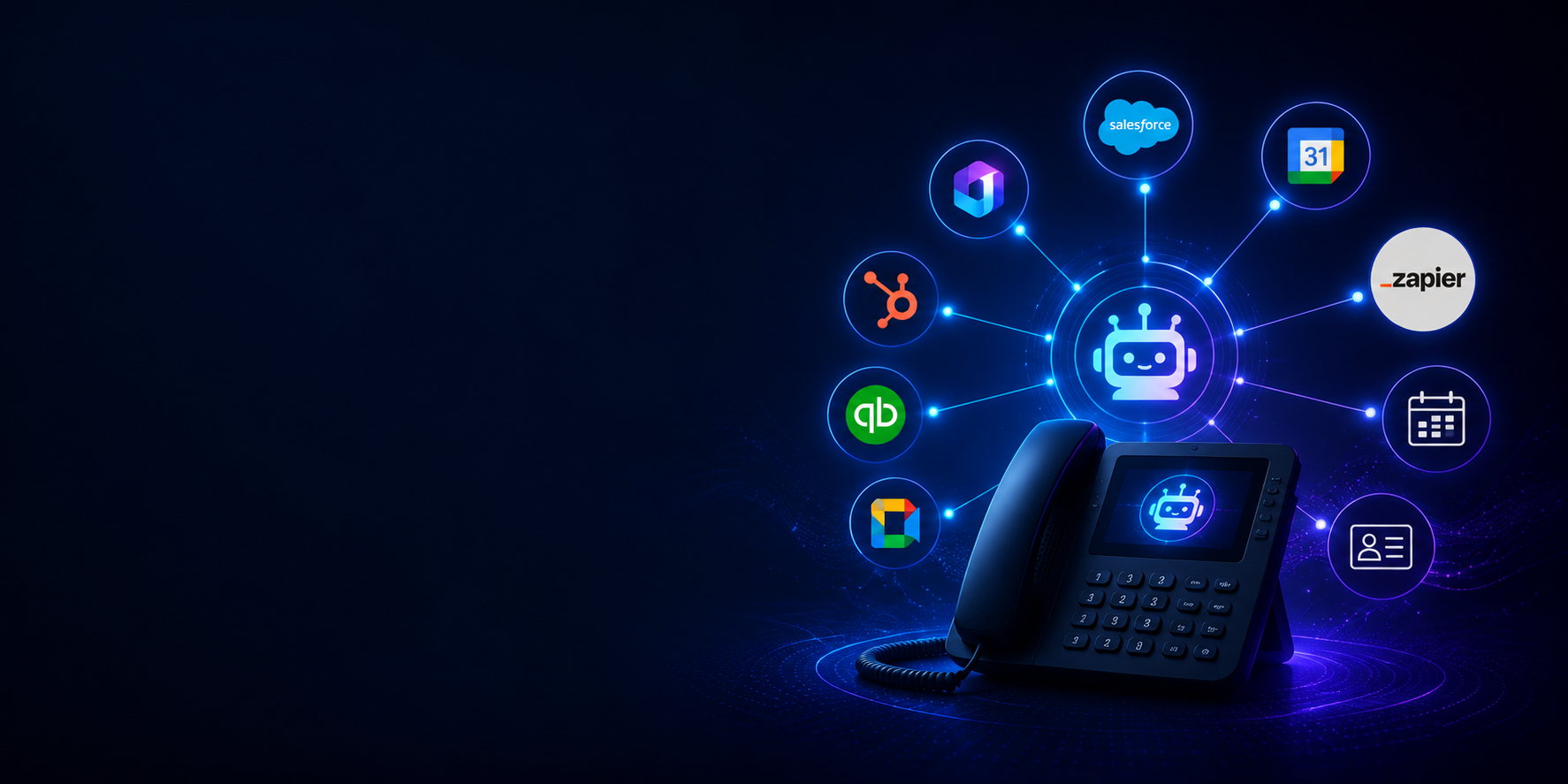
AI service may be priced by included minutes, usage or capabilities. Native answering, routing and information workflows are different from an integration that creates confirmed reservations or submits orders to a POS. Integration cost depends on the restaurant platform’s API or webhook, authentication, testing, error handling and ongoing maintenance. Custom software should be quoted around a defined workflow rather than promised as an unlimited feature.
Questions to Ask in Every Quote
- Which users, shared phones and numbers are included?
- Who designs and tests the complete call flow?
- Are phones purchased, financed or rented?
- What happens when a phone fails?
- Are taxes, regulatory fees and usage included?
- What integration work is included, and who maintains it?
- What support is available during evening or weekend service?
- Can the restaurant keep every eligible existing number?
Tier 1’s Practical Recommendation
Compare three numbers: one-time implementation, predictable monthly service and variable usage or integration costs. Require each provider to state assumptions so an apparently low price does not depend on missing phones, incomplete setup or self-service support.
Frequently Asked Questions
Are cloud restaurant phone systems priced per line?
Many use per-user or per-extension pricing, but numbers, shared devices and optional services may be calculated separately.
Does AI replace the phone system cost?
No. AI is normally one answering or workflow component connected to the business phone platform.
Can existing phones be reused?
Possibly, if the models, firmware, ownership and provider support are compatible.
Is installation usually included?
It varies. Confirm exactly who handles discovery, configuration, porting, testing, training and launch support.
Restaurant Phone System Resources
Build Around the Restaurant’s Real Workflow
Tier 1 Telecom helps restaurants map callers, roles, peak periods, equipment, numbers, integrations, payments and continuity before recommending technology.
Build a Restaurant Phone Estimate
We can review your current numbers, call paths, restaurant systems, network and customer workflow.