The Short Answer
A restaurant should treat peak-period unanswered calls as an operational workflow, not a voicemail problem. Set a short primary ring, add trained overflow, distinguish time-sensitive calls from future opportunities, and create a final follow-up method that someone owns. Reporting should show when callers abandon and whether the restaurant responded.
Key Takeaways
- Measure missed and abandoned calls by time of day.
- Overflow to trained employees before sending urgent calls to voicemail.
- Keep queues short and transparent.
- Use missed-call text-back only with an approved messaging workflow.
- Assign catering, event and future-reservation follow-up.
- Test peak routing during an actual busy period.
Why Rush-Period Calls Are Different
At peak service, the employees nearest the phone are often helping guests in front of them. The phone system should reduce repeated ringing and distribute work without creating a second chaotic service line. Calls for tonight’s table, takeout or directions may lose value quickly; a private-event inquiry can tolerate a callback but deserves immediate acknowledgement.
A Layered Overflow Plan
Primary answer
Ring the host, takeout or designated team for a defined number of seconds.
Secondary coverage
Add a manager, centralized employee, another location or approved AI agent based on purpose and schedule.
Caller choice
Offer a brief callback, message or supported self-service option instead of indefinite hold.
Final ownership
Send unresolved work to a named queue or mailbox with notifications and a response target.
Queues Without Frustration
A queue can allow several calls to wait for a shared team, but it should provide realistic expectations and a maximum time. Long music-on-hold does not solve understaffing. Track the longest wait, average wait and abandonment by interval, then change staffing or routing where the pattern repeats.
Missed-Call Text-Back
A text can acknowledge a missed call, identify the restaurant and offer an approved next step. It should not imply that every caller consented to ongoing promotional messages. Transactional follow-up and marketing are different use cases, and the restaurant’s messaging registration, opt-in language, privacy policy and opt-out handling should match what it actually sends. The broader guide to missed-call text-back for businesses explains the operational choices in more detail.
Do not request payment-card information through ordinary SMS. When payment is required, transfer to staff, send a secure payment link or use an approved payment integration.
AI Overflow
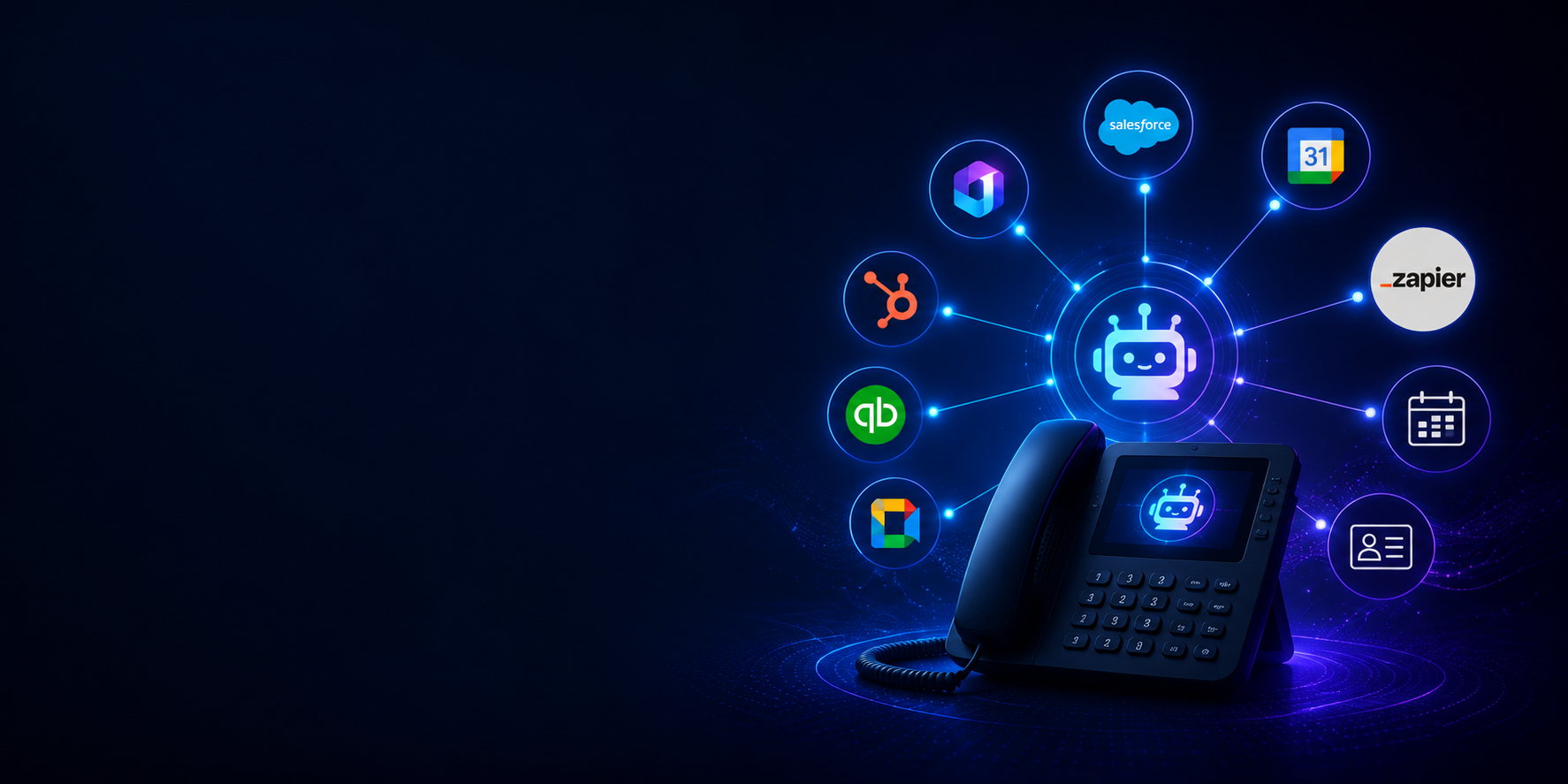
An AI agent can answer common questions, collect reservations, takeout or catering details, transfer calls and send follow-up messages. Confirmed reservations or POS-submitted orders require an integration supported by the restaurant’s platform, such as an API or webhook. Tier 1 can evaluate available integration paths and, where justified, build custom software to connect the workflow.
Measure the Outcome
Review total inbound calls, answered calls, abandoned calls, missed calls, time to answer and follow-up completion. Separate reservations, takeout and catering when possible. The objective is not simply a higher answer rate; it is more completed customer outcomes with less disruption to on-site service.
Tier 1’s Practical Recommendation
Start with one week of interval-level call data. Build overflow around the two or three periods where demand actually exceeds coverage instead of creating a complex all-day workflow.
Frequently Asked Questions
Should every missed caller receive a text?
Only when the messaging use case, registration and consent process support it and the message gives a useful next step.
Can another restaurant location answer overflow?
Yes, if employees have the information and permissions needed to finish or correctly hand off the call.
Can AI answer several calls at once?
Yes, depending on the service design, which can help when multiple calls arrive simultaneously.
Does voicemail count as handling the call?
Only if someone owns the message, receives timely notification and completes the promised follow-up.
Restaurant Phone System Resources
Build Around the Restaurant’s Real Workflow
Tier 1 Telecom helps restaurants map callers, roles, peak periods, equipment, numbers, integrations, payments and continuity before recommending technology.
Build Rush-Period Overflow
We can review your current numbers, call paths, restaurant systems, network and customer workflow.