Build a Hotel Calling Feature Checklist
Use this checklist to define the call-handling features your front desk, reservations team and guest services need before comparing vendors. For equipment choices and total project costs, see our hospitality phone systems guide.
A hotel phone system needs reliable front-desk handling, simple guest-service dialing, reservation queues, after-hours and overflow routing, mobile communication, emergency-location support, administration, reporting and outage failover. Larger properties may also need PMS integration, call accounting, paging, multilingual menus and centralized management across locations.
The right feature list is based on workflows—not the longest vendor brochure.
Key Takeaways
- Prioritize guest access and staff response.
- Keep auto attendants short.
- Separate revenue calls from service calls.
- Give reception physical extension visibility.
- Use reporting to find missed demand.
- Test emergency calling by location.
- Build outage routing before an outage.
- Verify integrations by exact product and version.
The Common Misconception
Feature count does not equal system quality. Hotels rarely benefit from enabling every available setting. Excessive menus, complicated room dialing and inconsistent forwarding create guest frustration and staff errors.
A good design hides complexity from guests while giving administrators precise control behind the scenes.
Front-Desk Features
- Busy-lamp fields: See whether departments or key employees are already on calls.
- One-touch transfer: Move calls quickly without memorizing extensions.
- Multiple call appearances: Manage simultaneous guest and outside calls.
- Park and pickup: Place a call into a known position that another employee can retrieve.
- Night mode: Change routing when the desk is minimally staffed.
- Shared voicemail: Prevent important messages from remaining in one employee’s private mailbox.
Reservations and Revenue Features
New reservations, group sales, catering, weddings and events should not compete with routine room requests. Use dedicated numbers or menu selections feeding queues with defined staffing, overflow and voicemail rules.
Useful reporting includes call volume by hour, average answer time, abandoned calls, missed calls and individual or team activity. These numbers help management distinguish a marketing problem from a staffing or workflow problem.
Guest-Room and Service Features
Service keys
Clearly labeled buttons can reach the front desk, housekeeping, room service, reservations or security.
Dialing permissions
Control long-distance, international and room-to-room calls according to property policy.
Wake-up calling
Automated or staff-managed wake-up workflows should be tested and documented.
Room resets
Where supported, check-out workflows can clear messages, permissions and guest-specific settings.
Mobility and Internal Operations
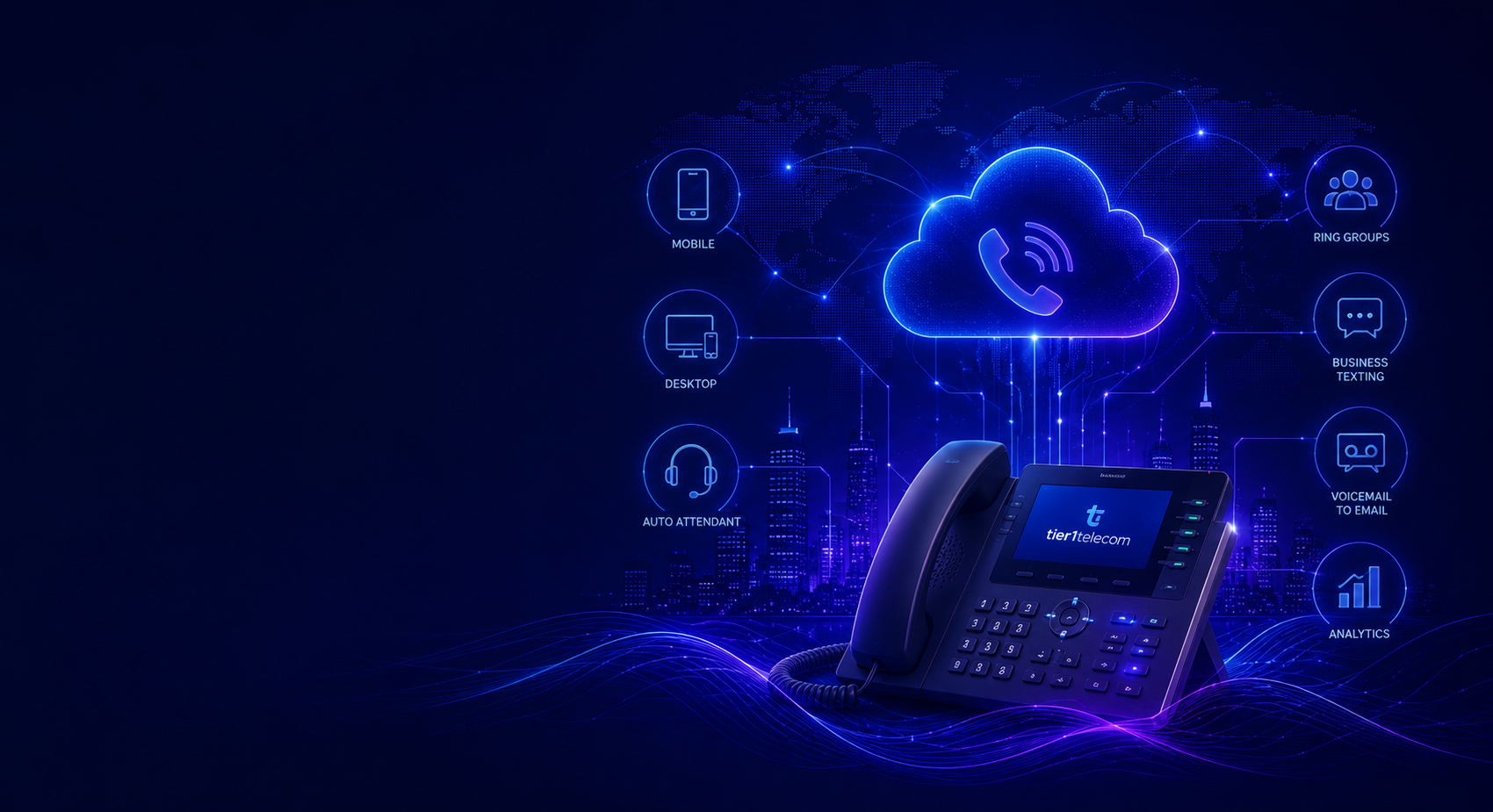
Managers may use mobile or desktop applications so their business extension follows them offsite. Housekeeping and maintenance often need DECT or Wi-Fi handsets that roam throughout the property. Group calling, paging and department numbers can reach the currently responsible employee without publishing personal cell numbers.
Presence information can help, but it should not be mistaken for guaranteed availability. Call flows still need unanswered-call and escalation rules.
Emergency and Continuity Features
Every multi-line system should support direct 911 dialing, accurate dispatchable location and notification to designated personnel. Hotels should also define inbound call routing when the property loses power, internet or local network connectivity.
Cloud failover can preserve incoming calls by sending them to another property, mobile team or alternate attendant. It does not keep an unpowered local desk phone working, so backup internet, PoE switch protection and emergency-device planning remain important.
Administration, Security and Reporting
| Capability | Why it matters | What to verify |
|---|---|---|
| Role-based administration | Limits who can modify users and call flows | Property and department boundaries |
| Call-detail reporting | Shows demand, missed calls and usage | Retention, filters and export options |
| Recording controls | Supports training and dispute review | Consent, access, retention and payment-data protection |
| Fraud controls | Reduces unauthorized toll usage | International blocking, alerts and credential security |
| Central management | Supports multiple properties consistently | Templates, delegated access and audit history |
| Device management | Enables remote provisioning and updates | Supported models, firmware and replacement workflow |
Illustrative Planning Example
A hotel may receive room requests at the front desk while reservation calls wait behind them. Separating reservations into a small queue with overflow to a central agent lets front-desk staff serve current guests without sacrificing new revenue. Reporting then shows whether overflow is occasional or whether dedicated staffing is justified.
Demonstrate the Hotel Features Before Approval
| Workflow | Demonstration to request |
|---|---|
| Reservations | Call the published reservation number while the team is busy; confirm the agreed queue, overflow and follow-up destination. |
| Guest services | Use the room/service dialing plan to reach the right team and check the fallback when that team is unavailable. |
| Mobile operations | Have the designated employee answer a transferred call in the areas where they work. |
| Night shift | Call after hours and verify that a named person or approved destination owns urgent and routine calls. |
| System administration | Demonstrate who changes schedules, users and routing, and how those changes are documented. |
| Continuity and emergency procedures | Review location information, power/network dependencies and approved test procedures with the provider; do not place an unannounced 911 test call. |
Record the expected result, responsible team and any separately scoped work for each item. PMS integration, recording or other options should be confirmed for the specific proposal rather than assumed from the feature name.
Require a Call-Flow Diagram
Before signing, ask the provider to diagram business-hours, after-hours, busy, unanswered and outage routing for every published number. A feature is only valuable when everyone agrees how it will be configured.
Turn Your Feature List Into a Working Call Flow
Tier 1 Telecom can translate guest and staff workflows into a practical hospitality phone-system design.
Related Questions
Does a hotel need a call queue?
Often for reservations, groups or events. Routine guest-service calls may be better handled through direct ring groups and escalation.
Should every hotel use an auto attendant?
Most benefit from one, but it should be brief and provide a clear path to staff.
Can a hotel use business texting?
Yes, where supported and properly registered. Define which teams respond and do not use ordinary texting for sensitive payment information.
Does VoIP include call recording?
Many platforms offer it as a configurable feature. Legal, consent, retention and access requirements still apply.
Can one system support multiple hotels?
Yes. Central administration and shared reservation routing can coexist with local numbers, attendants and emergency locations.
Is a PMS integration required?
No. It may improve automation, but many smaller properties can operate effectively without one if workflows are clearly defined.
Continue Learning
About Tier 1 Telecom
Tier 1 Telecom designs and supports cloud business phone systems for hotels, restaurants, clubs and other hospitality organizations. We match devices, call flows, internet-readiness planning and support to the way each property actually operates.