The Short Answer
A safe hotel VoIP migration begins with a complete inventory of numbers, rooms, extensions, call flows, phones, analog devices, emergency locations and integrations. Build and test the new system before porting, pilot it in a controlled area, move sites or floors in phases where practical, and keep rollback procedures ready until every acceptance test passes.
Key Takeaways
- Inventory every number before cancellation.
- Document current and desired call flows.
- Assess switches, PoE, cabling and internet.
- Stage and label equipment before arrival.
- Pilot before full deployment.
- Port outside peak guest periods.
- Test 911 and specialty devices separately.
- Keep a written rollback plan.
The Common Misconception
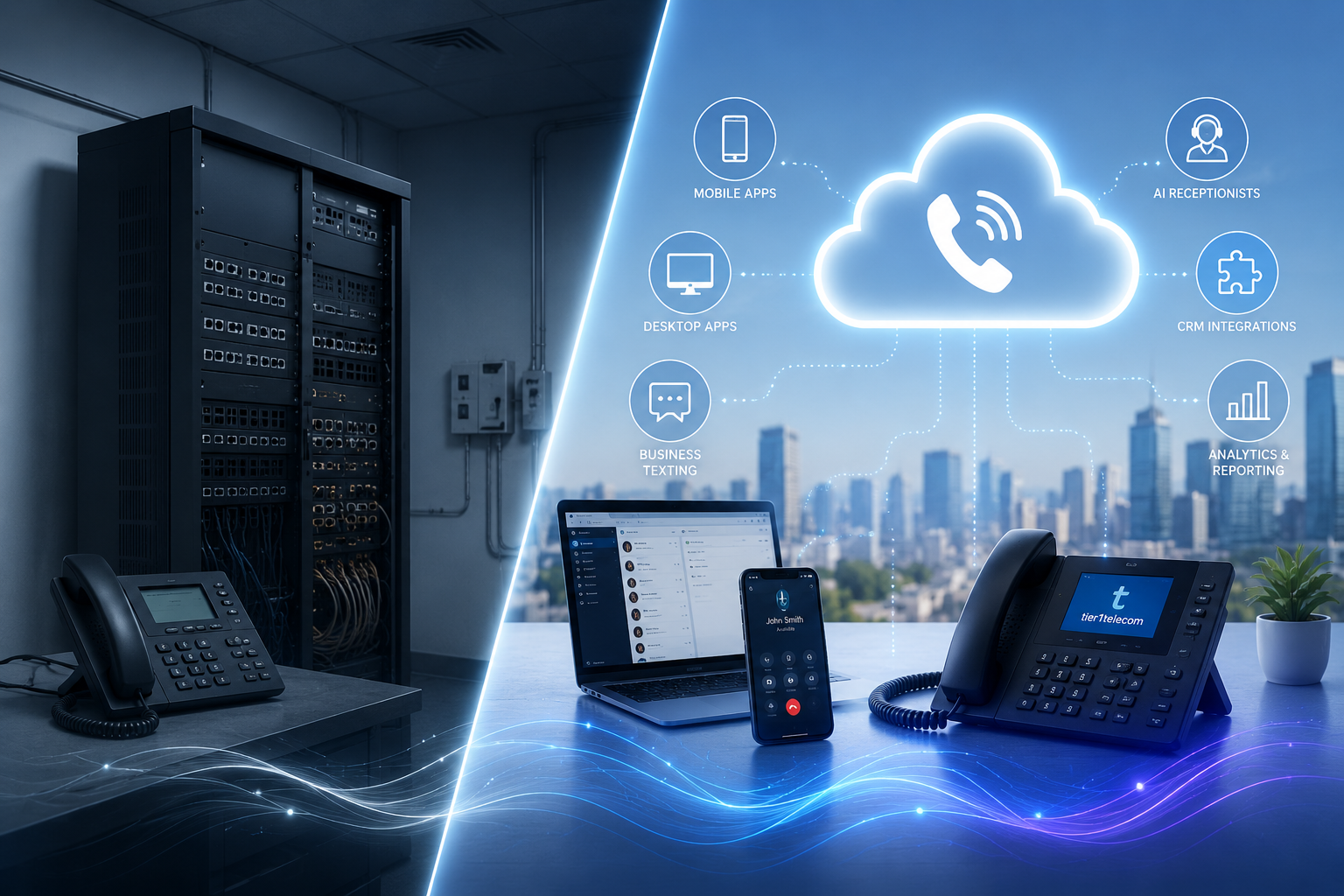
Number porting is not the migration plan. Porting is one event inside a larger project involving networks, phones, guest services, training, emergency calling, integrations and physical installation.
A successful port can still produce an unsuccessful launch if the front desk cannot transfer, room service keys point to the wrong destination or an analog paging device was never tested.
Phase 1: Discovery and Inventory
- All published and unpublished telephone numbers
- Main lines, direct numbers and toll-free numbers
- Guest rooms and room-number dialing
- Front desk, reservations and administrative users
- Auto attendants, queues and schedules
- Fax, paging, elevator and emergency devices
- PMS, CRM and call-accounting integrations
- Carrier account names, addresses and billing records
- Phones owned, leased or expected to be returned
- Peak periods and blackout dates
Do not cancel the existing provider. Number ownership and accurate account information must remain intact until ports and final validation are complete.
Phase 2: Network and Power Readiness
Review every building’s switching, available ports, PoE capacity, VLANs, quality of service, firewall configuration, internet performance and backup connectivity. For cordless phones, test roaming in guest corridors, service areas, kitchens, maintenance spaces, elevators and outdoor areas where coverage is expected.
Identify which switches, routers, gateways and battery backups belong to the incumbent. Provider-owned equipment may be removed even when the property owns the cabling.
Phase 3: Build the New System
Configure users, rooms, attendants, queues, schedules, voicemail, caller ID, dialing permissions, emergency locations and failover before the cutover. Use temporary numbers to test each call flow from an outside phone.
Stage, label and assign devices by room or position. A deployment map should tell an installer exactly where every phone, adapter, base station and expansion module belongs.
Phase 4: Pilot and Acceptance Testing
| Test area | Acceptance test | Owner |
|---|---|---|
| Front desk | Answer, hold, park, transfer, monitor and retrieve calls | Front-desk supervisor |
| Guest room | Front desk, service keys, permitted outside calling and voicemail policy | Operations manager |
| Reservations | Queue, overflow, after-hours and reporting | Reservations manager |
| Emergency | Direct 911, dispatchable location and on-site notification | Authorized property lead |
| Analog devices | Fax, paging, elevator or specialty workflow | Department/vendor owner |
| Failover | Simulated internet or power loss and inbound routing | IT/provider team |
Phase 5: Porting and Cutover
Schedule ports outside peak check-in, event and reservation periods. Confirm the carrier window, responsible contacts and escalation path. During the cutover, test every main number from multiple outside carriers, verify outbound caller ID and watch for delayed routes or numbers left behind.
If the property is migrating in phases, document how employees dial between old and new systems. Temporary full-number dialing or bridging may be required.
Phase 6: Training and Stabilization
Train front desk and reservations teams before launch, not during it. Provide short role-based guides for transferring, parking, voicemail, queues, mobile apps and after-hours changes. Administrators need separate training on users, schedules, reports and escalation.
Keep enhanced support coverage during the first business days and the first high-occupancy period. Track issues by category so repeated workflow problems are corrected centrally.
Real-World Example
A resort stages every room phone offsite, pilots one building on temporary numbers and obtains sign-off from the front desk, housekeeping and security. Only then does it port the main block during an overnight window. Because fax, paging and emergency devices have separate test owners, none are assumed operational merely because ordinary calls work.
Do Not Accept “We Will Figure It Out on Cutover Day”
The proposal should name the project manager, milestones, dependencies, acceptance tests, port windows, escalation contacts and rollback options. Complexity discovered before the port is manageable; complexity discovered after guest calls stop is an emergency.
Build a Migration Plan Before You Set a Port Date
Tier 1 Telecom can inventory your current environment and create a phased implementation and acceptance plan.
Related Questions
How long does a hotel VoIP migration take?
It depends on rooms, sites, ports, equipment, integrations and network work. Larger projects commonly require staged discovery and testing before cutover.
Can a hotel stay open during the migration?
Yes, with phased deployment, temporary routing, off-hours ports and documented rollback procedures.
Should all numbers port at once?
Not always. The provider should evaluate number blocks, carrier constraints and operational risk.
Can old and new phones coexist?
Often during staging, but cross-system dialing and routing must be specifically designed.
Who should approve the pilot?
Include technology plus operational owners such as front desk, reservations, security and facilities.
When should the old service be canceled?
Only after all numbers, services and final billing obligations have been verified.
Continue Learning
About Tier 1 Telecom
Tier 1 Telecom designs and supports cloud business phone systems for hotels, restaurants, clubs and other hospitality organizations. We match devices, call flows, internet-readiness planning and support to the way each property actually operates.