The Short Answer
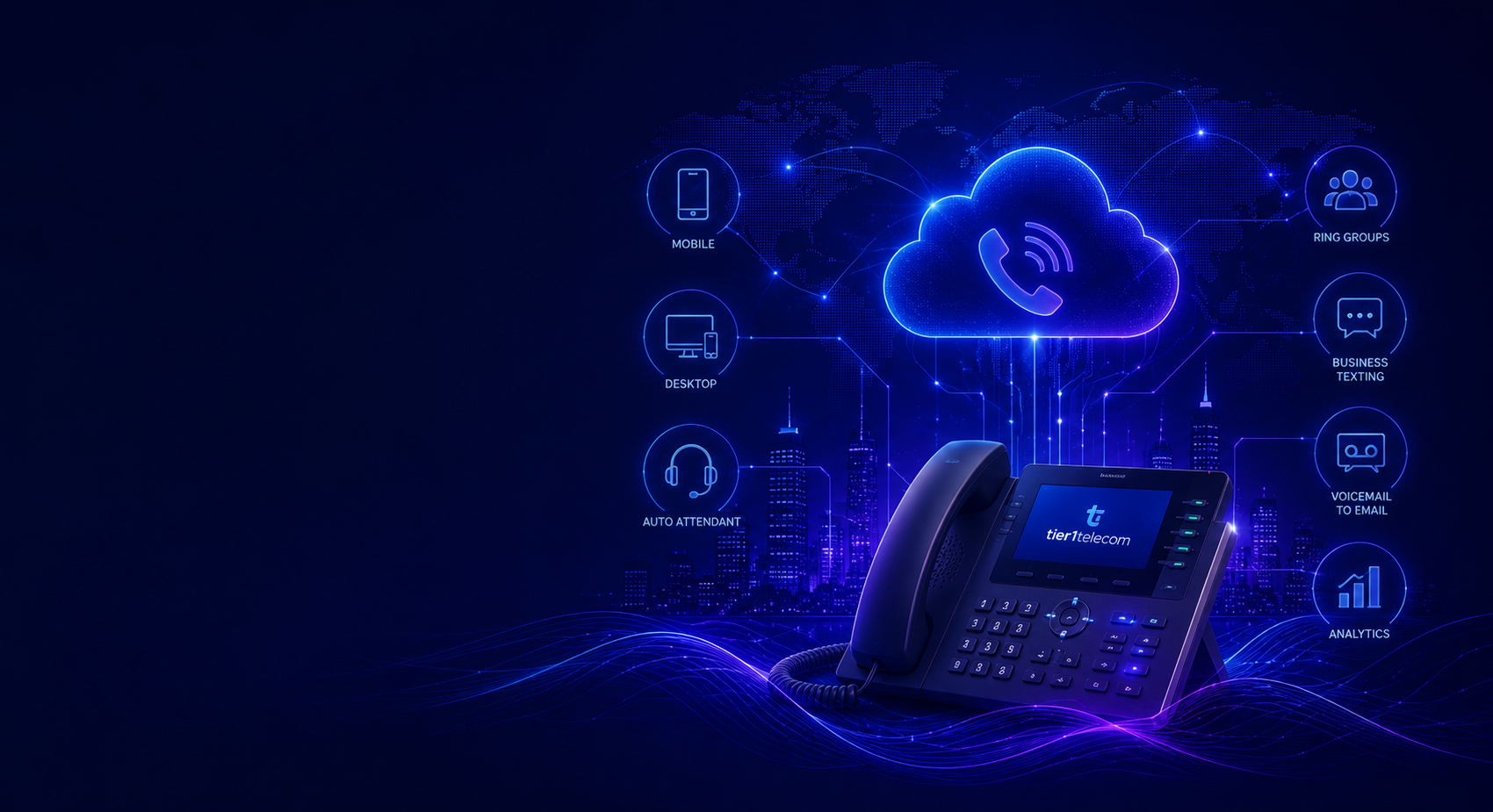
A remote or multi-office accounting firm should use one managed phone platform with consistent extensions, permissions, support and reporting while preserving local numbers, office schedules and client relationships. Employees should call and text through the business system, not personal numbers, and each location needs correct emergency-location data, internet readiness and outage routing.
Key Takeaways
- Standardize account naming, permissions and offboarding.
- Preserve local numbers and callback identity.
- Route by office, language, specialty or caller intent.
- Use managed desktop and mobile apps for approved remote work.
- Configure dispatchable location for supported scenarios.
- Design continuity and seasonal staffing for every location.
One Platform, Local Call Flows
Centralization does not require every office to answer identically. Local numbers can reach local staff first and overflow to a centralized team. A shared main number can route by office, language or service. Standard rules reduce administration while documented exceptions preserve local needs.
Business Identity Away From the Office
Remote accountants should place calls through the firm’s application so clients see a recognizable business number and call back through the approved workflow. This also prevents personal numbers from becoming permanent client contact points.
Restrict voicemail, SMS and fax access to firm-approved devices and accounts. Lost devices, shared family computers and public Wi-Fi belong in the WISP risk assessment.
Multi-Office Routing Models
Local first
Ring the selected office, then overflow to a central reception or service team.
Specialty first
Route payroll, bookkeeping, tax preparation and advisory calls to the appropriate group.
Language first
Preserve the caller’s language choice while routing across offices.
Continuity mode
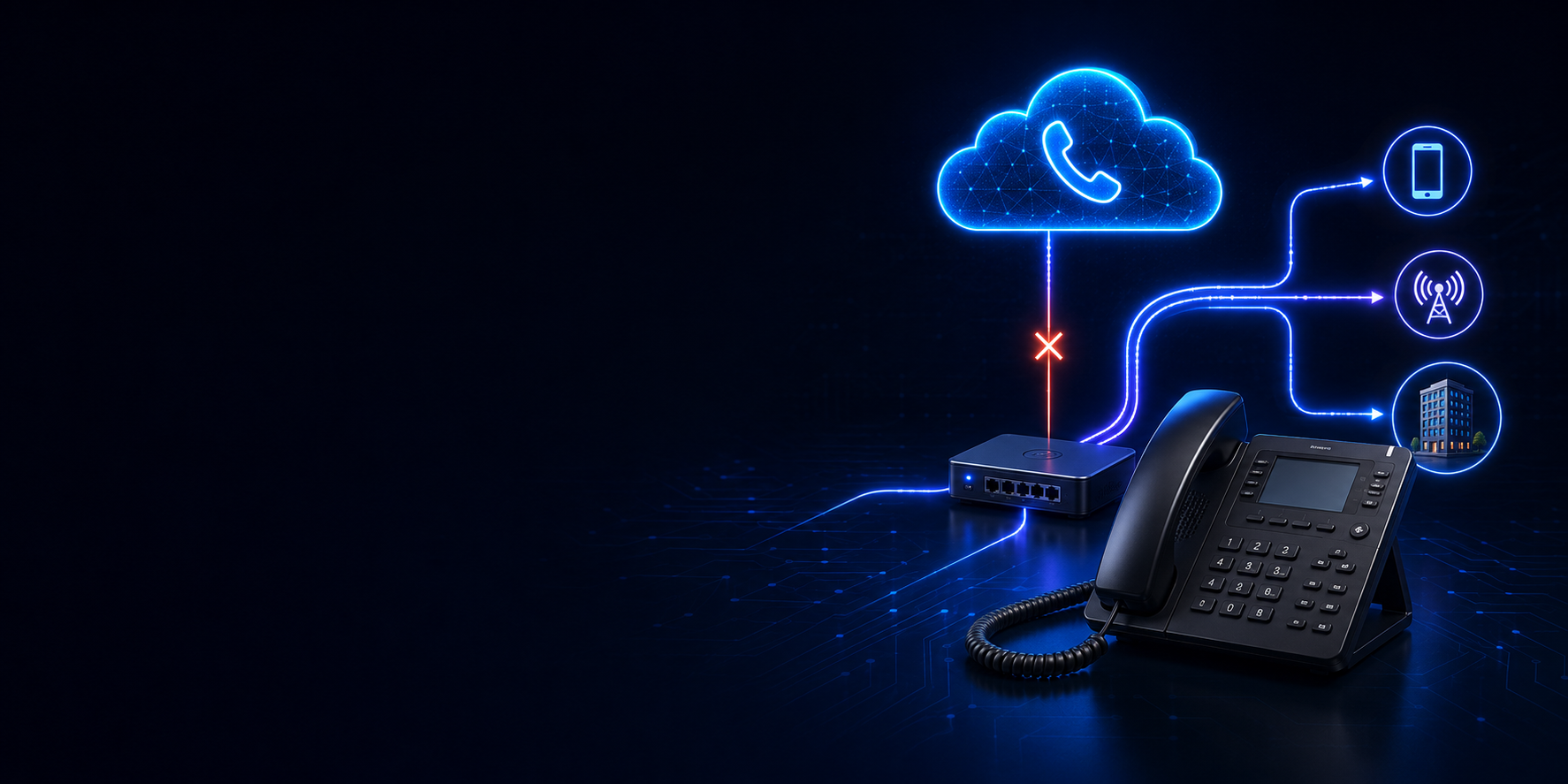
Bypass an unavailable office without changing its published number.
Seasonal and Remote User Lifecycle
Create users before they need access, apply the minimum permissions required and set an end date. Remove old devices, applications, voicemail, SMS and portal access together. A seasonal employee’s access should not quietly remain active until next year.
Reporting and Administration
Use standardized queue and office names so reports can compare locations fairly. Track answer rate, wait time, abandonment, transfers and voicemail response by office and team. Restrict local administrators to the settings they need while a central owner maintains firmwide standards.
Document which office owns each number and mailbox. Centralized administration should make responsibility clearer, not create a collection of unlabeled shared destinations.
Remote Network Readiness
Critical remote users need stable internet, a professional headset and a documented fallback. Wired connectivity is preferable for fixed workstations when practical. A speed test alone does not reveal jitter, packet loss, Wi-Fi interference or whether the network remains usable during backups and video meetings.
E911 and Location
Kari’s Law and RAY BAUM’S Act guidance addresses direct 911 dialing, notification and dispatchable location. Do not assume the billing address represents every office, suite or supported nomadic user. Document who updates location information when people or devices move.
Tier 1’s Practical Recommendation
Create one firmwide standard for accounts, caller ID, voicemail, texting, device approval and offboarding. Let local offices vary their business hours and routing only where there is a documented operational reason.
Frequently Asked Questions
Can all offices keep their current numbers?
Usually yes. Existing numbers can generally be ported and routed through one platform.
Can remote employees use the same extension?
Yes, through approved desk, desktop and mobile endpoints under one business identity.
Does each home office need a desk phone?
Not necessarily. A supported app and professional headset may be sufficient, depending on volume and reliability needs.
Can one office answer for another during an outage?
Yes, when cross-office overflow and permissions are configured and tested in advance.
Continue Learning
Build Around the Firm’s Real Workflow
Tier 1 Telecom helps Florida accounting and tax firms map call volume, roles, language needs, sensitive-data boundaries, seasonal staffing, equipment and continuity before recommending a platform.
Plan a Multi-Office Phone System
We can review your current numbers, call paths, equipment, internet and client-communication workflow.