The Short Answer
The best phone system for a home-service company connects office staff, dispatchers, technicians and after-hours responders through one business identity. It should route calls by urgency and schedule, support mobile employees, preserve the company’s main number, enable business texting and continue handling incoming calls when the office loses internet or power.
The right design is based on roles and workflows—not simply the number of employees or desk phones.
Key Takeaways
- Use desk phones and headsets for dispatch-heavy office roles.
- Give field technicians mobile access without exposing personal numbers.
- Build different call paths for new jobs, existing customers, emergencies and after-hours calls.
- Connect texting, voicemail and reporting to the same business identity.
- Plan internet, power and routing continuity before hurricane season.
- Choose integrations only when they remove duplicate work or improve response.
Why Home-Service Phone Systems Are Different
HVAC, plumbing, electrical, restoration and other field-service businesses rarely operate like a conventional office. The people answering calls may be in one location while the people completing the work are spread across a service area.
Demand also changes quickly. A normal afternoon can become a surge of emergency calls after a storm, equipment failure or sudden temperature change. The phone system must help the company separate urgent work from routine questions without making every caller navigate a complicated menu.
The Core Call Flow
A practical main-number flow usually distinguishes between new service requests, customers with scheduled appointments, billing questions and true after-hours emergencies. During business hours, calls may reach a receptionist or service queue. When nobody answers, an overflow destination can prevent a sales opportunity from disappearing into an unchecked mailbox.
After hours, the same number can follow a different schedule. Routine callers may receive voicemail or scheduling options while urgent calls are routed to the current on-call employee. Read the detailed guide to after-hours and on-call routing.
Equipment by Role
Dispatcher or CSR
A business-class desk phone, comfortable wired or wireless headset, expansion keys where useful and a reliable wired network connection.
Owner or manager
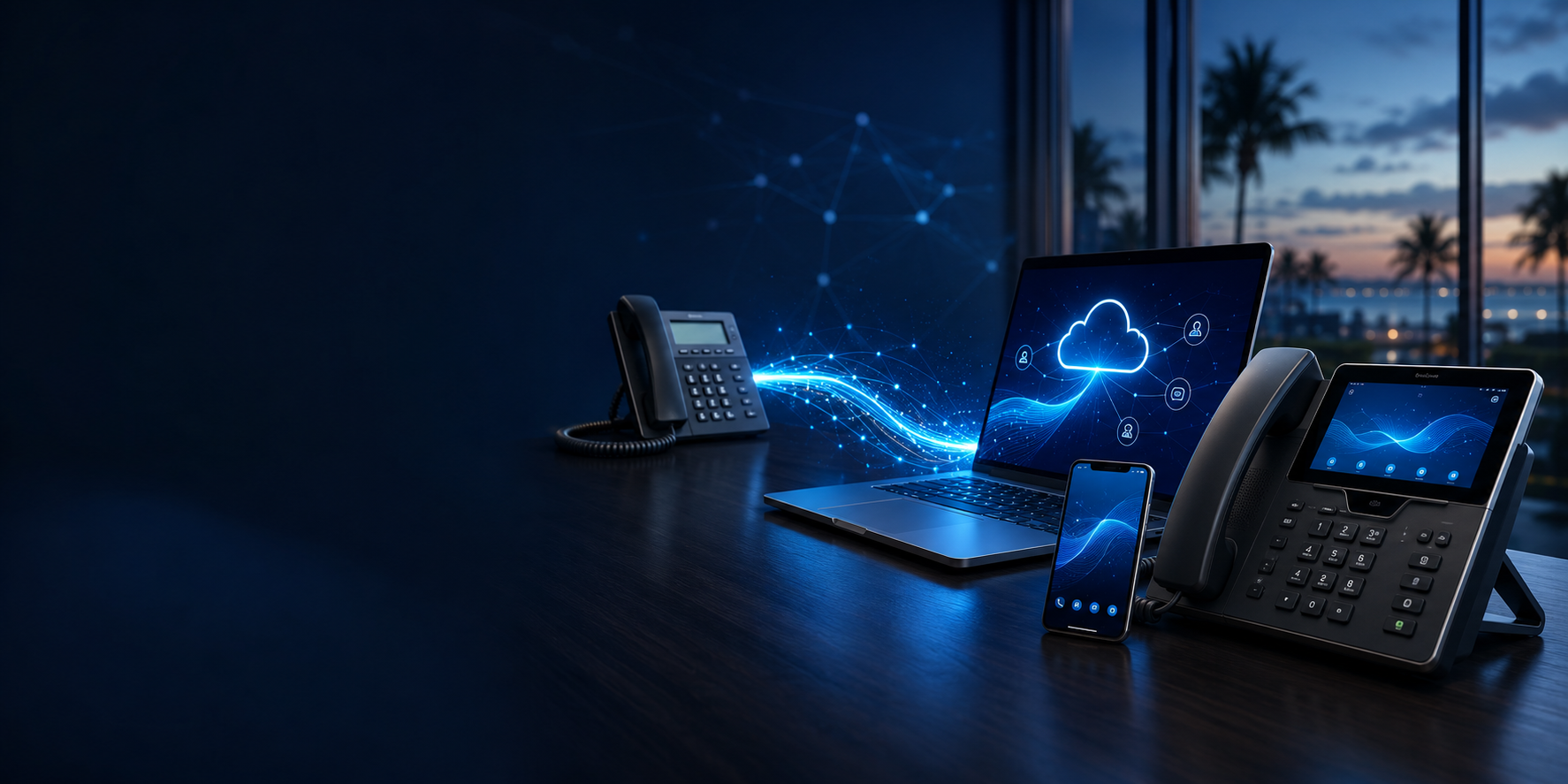
A desk phone where practical plus mobile and desktop applications for visibility and continuity away from the office.
Field technician
Usually a managed mobile application using the company identity, with clear rules for availability, voicemail and texting.
Warehouse or shop
Durable shared phones, paging where justified and properly registered emergency-location information.
Conference or training room
A purpose-built conference device or supported computer audio setup instead of relying on speakerphone from a basic handset.
Temporary or seasonal staff
Role-based access that can be added, removed and audited without sharing credentials.
Features That Matter Most
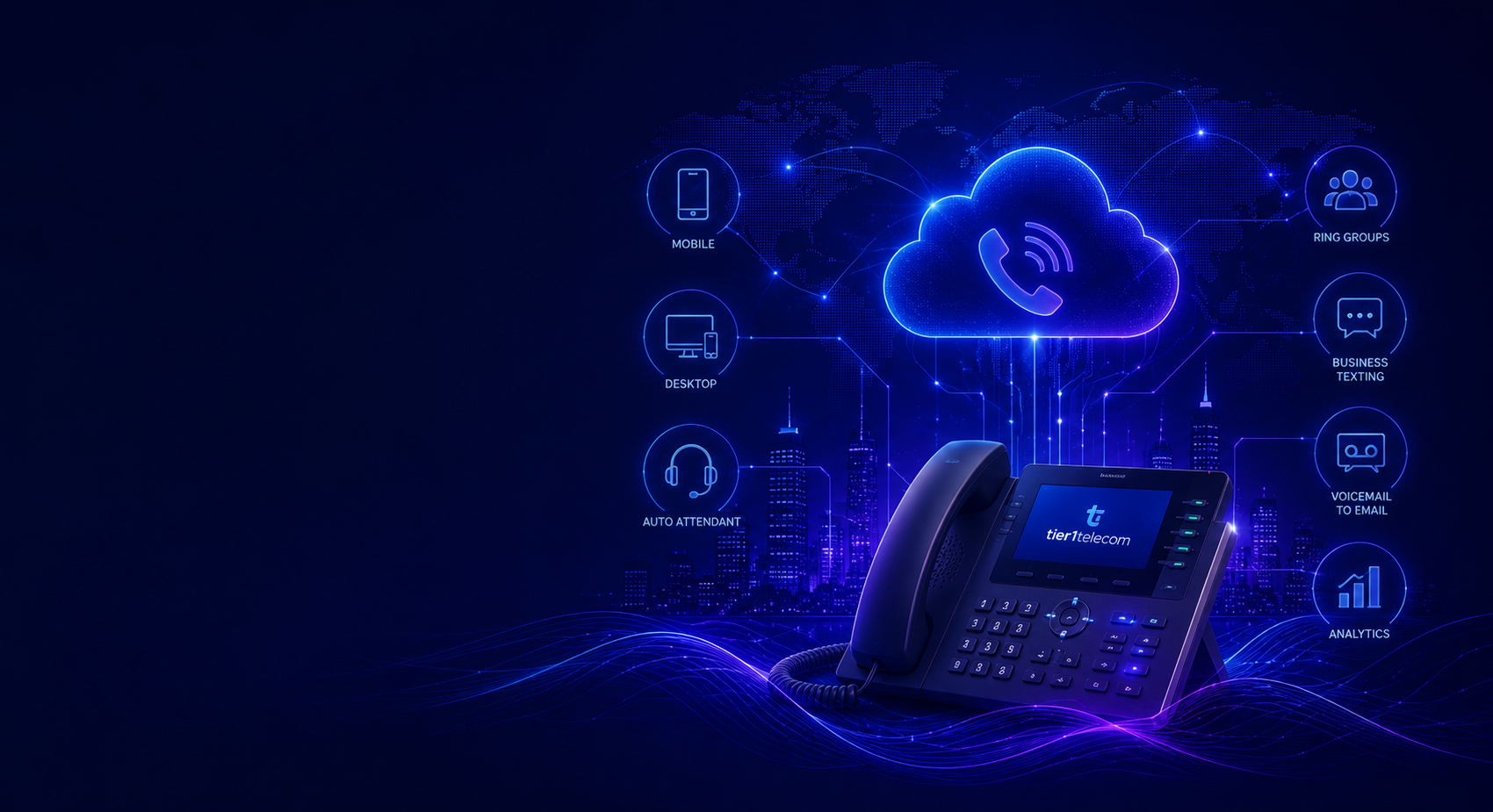
Useful features include queues, schedules, ring groups, mobile applications, voicemail-to-email, business texting, reporting, call recording where appropriate, presence, call parking and CRM integration. The goal is not to activate every available feature. It is to make the customer journey predictable.
For a deeper equipment and workflow comparison, see phone systems for HVAC, plumbing and electrical companies and VoIP for dispatchers and mobile technicians.
Real-World Example
An air-conditioning company publishes one number across its trucks, website and advertising. During office hours, new-service calls enter a queue shared by two customer-service employees. Existing appointment calls follow a shorter path to dispatch. If neither employee answers within the defined window, the call alerts an overflow user.
After hours, emergency calls reach the scheduled technician while routine messages remain organized for the next morning. Technicians return calls from the company identity rather than personal numbers. Management can review missed calls and response patterns without listening to every conversation.
Business Texting and Customer Updates
Customers frequently prefer text messages for appointment confirmations, arrival notices and simple follow-up. A business texting system should preserve consent records, support opt-out handling and prevent the company’s customer history from living on individual employees’ phones.
See the complete guide to business texting for home-service companies.
CRM and Dispatch Integration
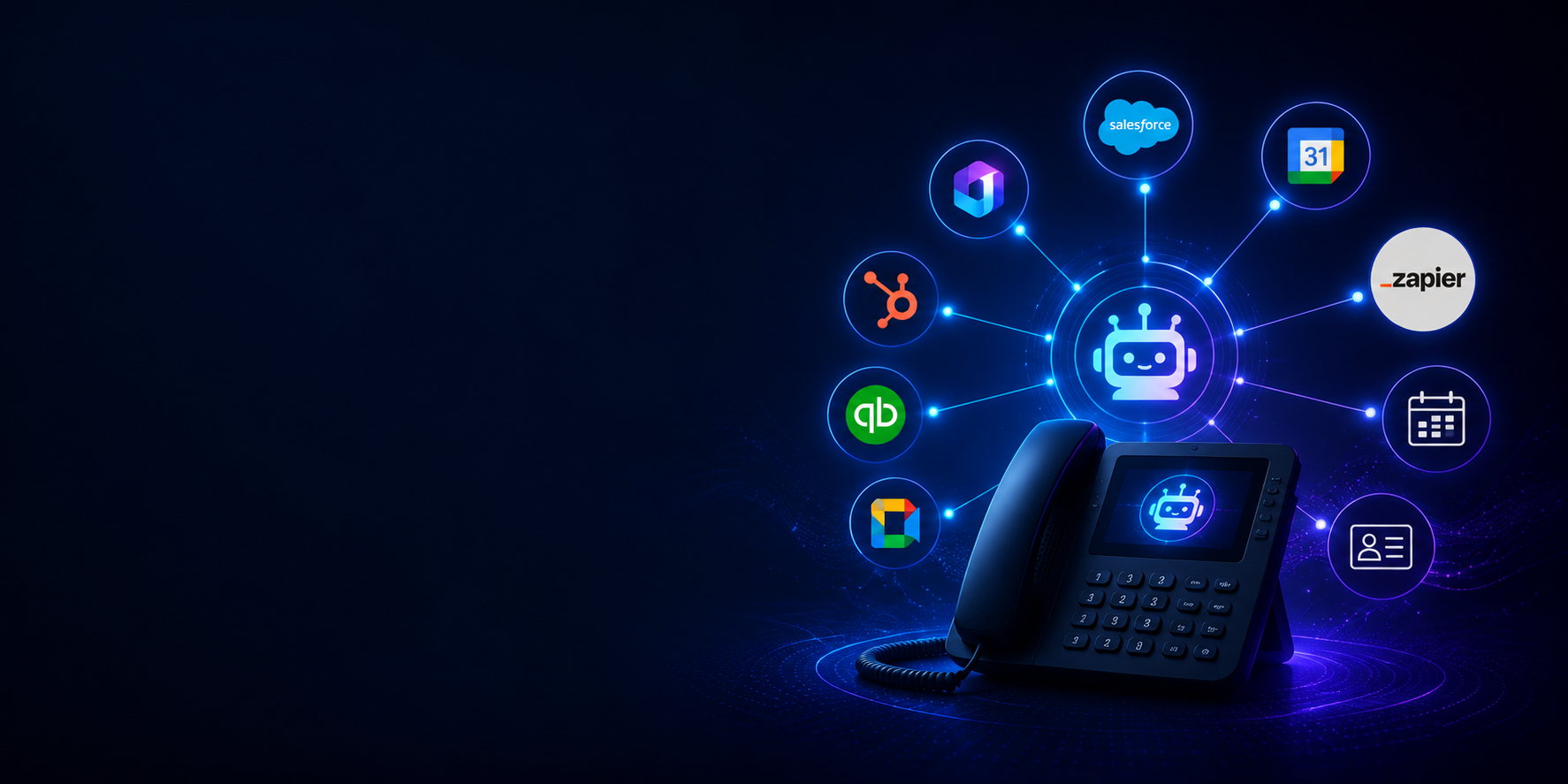
An integration can match inbound calls to customer records, launch the appropriate screen, record call activity or reduce duplicate data entry. It should not create a fragile workflow that fails whenever one vendor updates its software.
Start by deciding what information should move between systems and who is responsible when the connection fails. Learn more about phone-system integrations for service CRMs.
Reliability and Florida Storm Planning
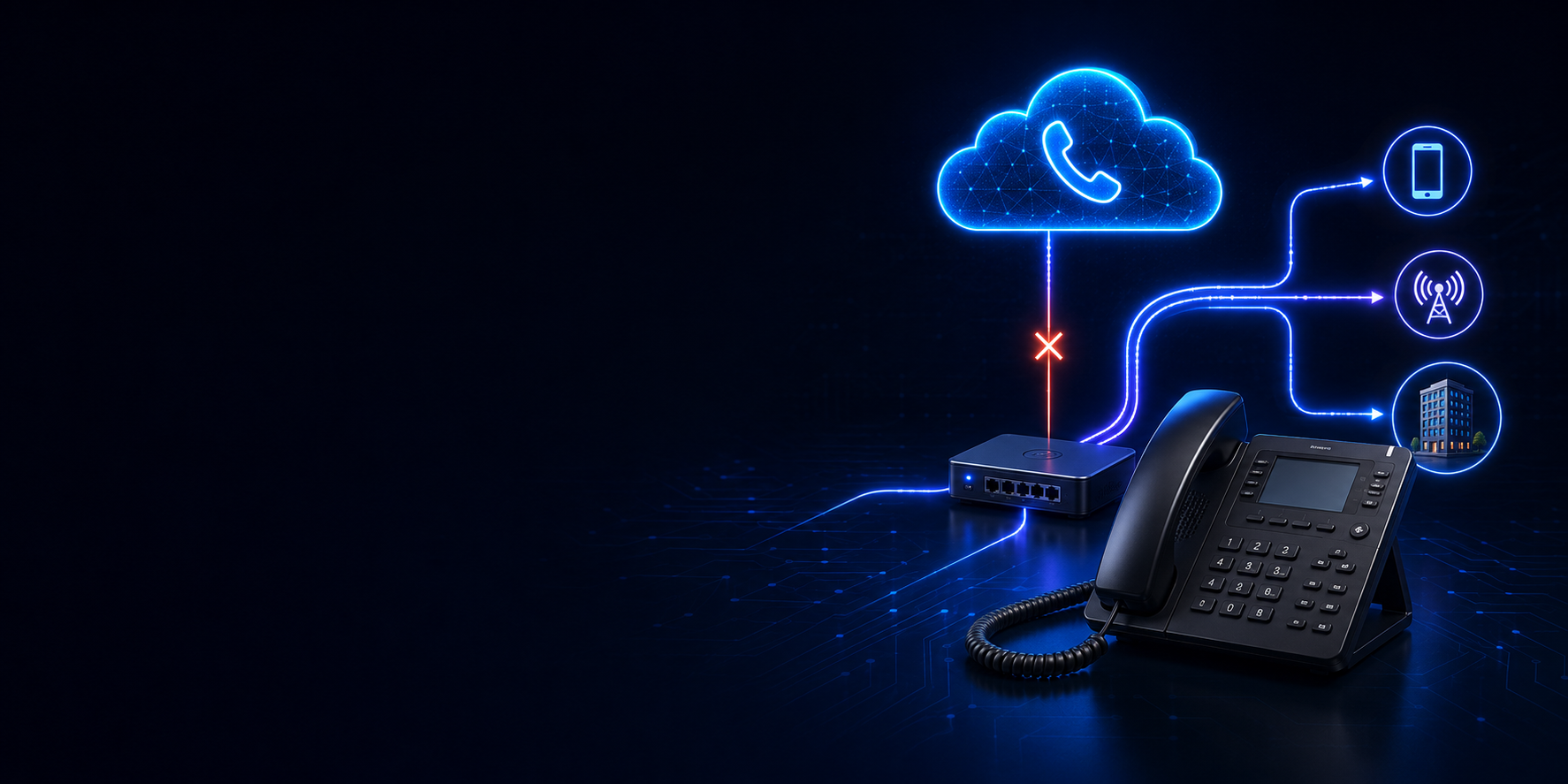
Cloud calling does not mean every office phone continues working without internet or power. It means the service platform can continue handling calls and redirect them to prepared destinations outside the affected office.
A Florida service company should document backup internet, UPS runtime, mobile-app procedures, alternate routing and post-outage recovery. Review the hurricane and internet-outage planning guide.
Costs to Include
Pricing may include user licenses, shared devices, telephone numbers, texting, call recording, integrations, equipment, implementation, training, taxes and ongoing support. A quote should explain which users need full accounts and which locations only need shared or common-area devices.
Do not compare providers using the advertised seat price alone. Compare the complete working design, implementation responsibilities and support model. The broader provider quote comparison guide explains what to normalize.
Frequently Asked Questions
Do technicians need separate business phones?
Not necessarily. A supported mobile application can give a technician business calling access on an approved smartphone while separating the company identity from the personal number.
Can the main number ring an on-call technician?
Yes. Scheduled routing can send defined after-hours calls to the current responder, although the workflow should be tested and responsibilities documented.
Should every call be recorded?
No. Recording should serve a defined business purpose and account for consent requirements, sensitive information, access controls and retention.
Can calls continue if the office internet fails?
The cloud platform may continue handling and redirecting calls, but office devices that lost connectivity may be unavailable. Continuity depends on the prepared design.
Continue Learning
About Tier 1 Telecom
Tier 1 Telecom helps home-service companies design, deploy and support cloud phone systems built around dispatch, field employees, after-hours coverage and customer response. We combine business communications expertise with practical IT and network experience throughout Port St. Lucie and Florida’s Treasure Coast.
Build the System Around the Way You Work
Tier 1 can map your current calls, users, devices, schedules and service area before recommending equipment or licenses.