The Short Answer
A Florida agency needs separate modes for ordinary after hours, local office closure and regional catastrophe. Each mode should give accurate carrier-claim instructions, explain what the agency monitors, route urgent agency-service issues to a defined team, protect employee personal numbers and set realistic callback expectations. Cloud routing helps only when alternate destinations and responsible people remain available.
Key Takeaways
- Create distinct after-hours, building-closure and catastrophe modes.
- Do not imply that voicemail automatically reports a claim to the carrier.
- Provide approved carrier claims resources and emergency guidance.
- Use off-site destinations and more than one authorized administrator.
- Coordinate voice, text, website and email messages.
- Test before hurricane season and after staffing or carrier changes.
Different Events Need Different Modes
Ordinary after hours
Offer concise choices, next-business-day expectations and the approved claims path.
Local outage
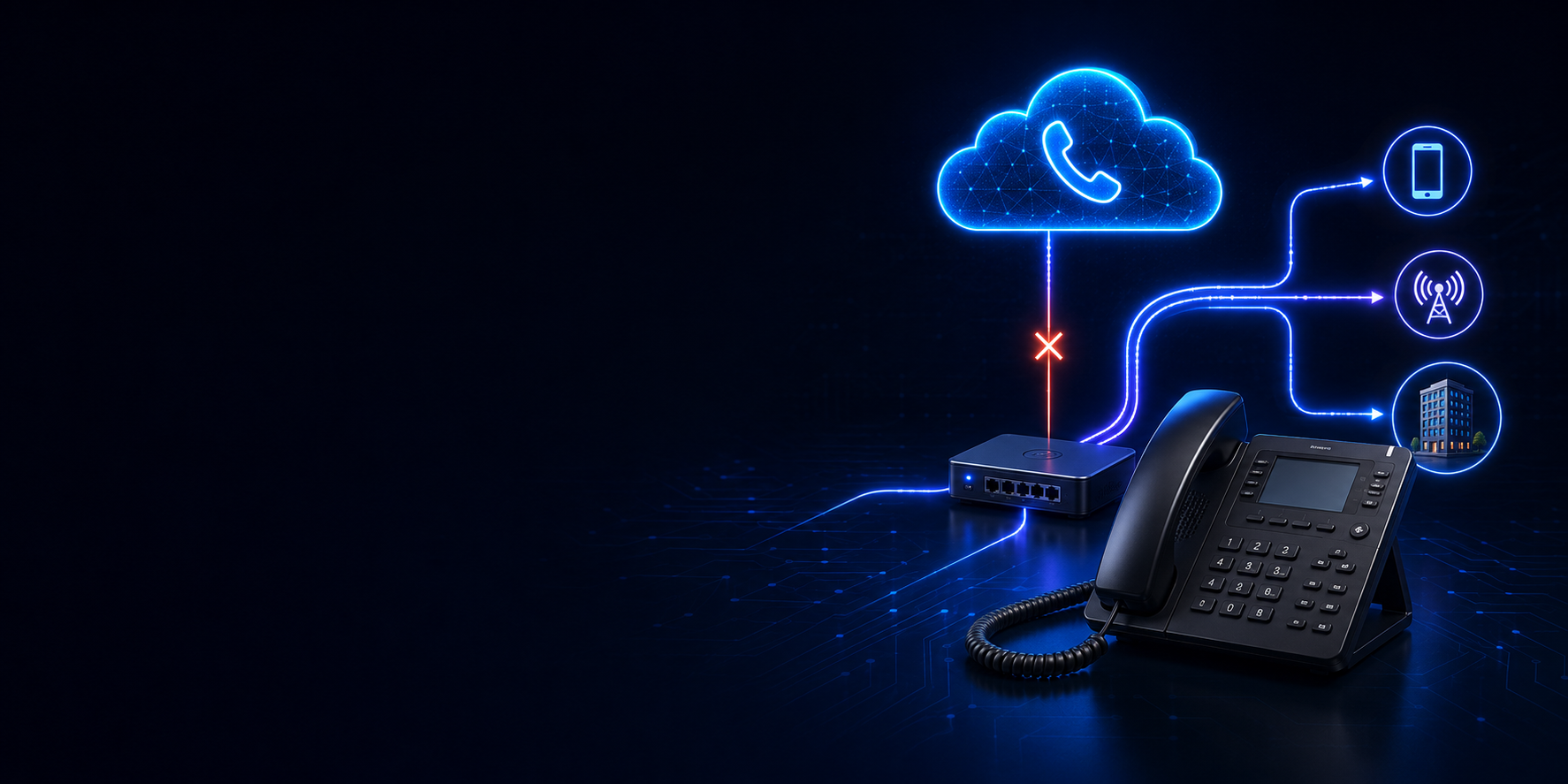
Bypass the building and send calls to working mobile apps, another office or an answering destination.
Regional catastrophe
Assume high volume, staff disruption, power loss and carrier-system delays at the same time.
Carrier-specific event
Provide accurate carrier resources without overwhelming every caller with unrelated information.
Claims Messages Must Be Precise
State whether the caller is contacting the agency, the carrier or an answering service. If leaving a message does not constitute reporting a claim to the insurer, say so clearly. Give emergency instructions where appropriate and direct policyholders to approved carrier claims channels.
Avoid promising coverage, response time or claim outcome. The message should help the caller take the next step while the agency’s licensed team handles questions within its role.
Cloud Continuity Is a Workflow
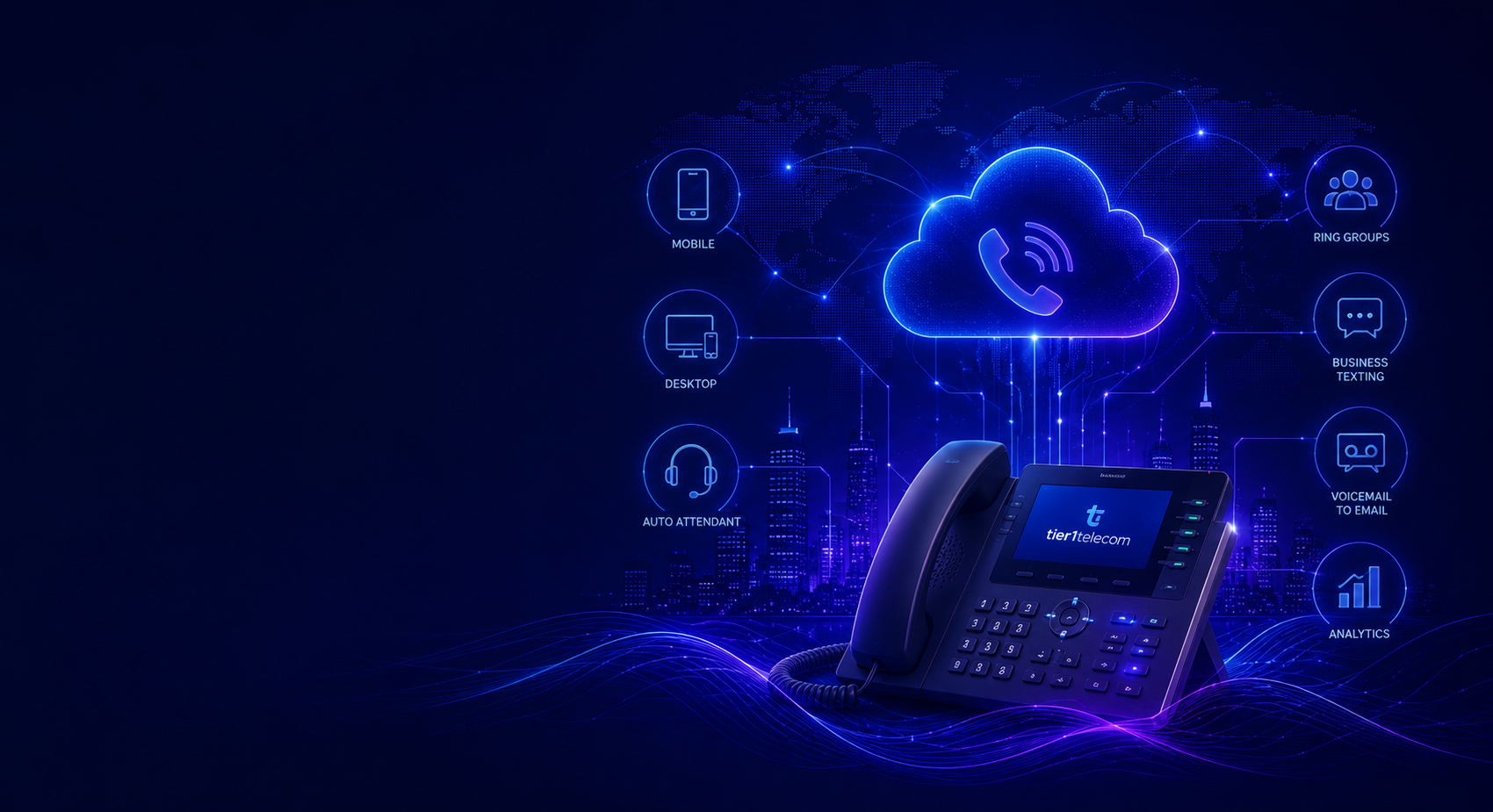
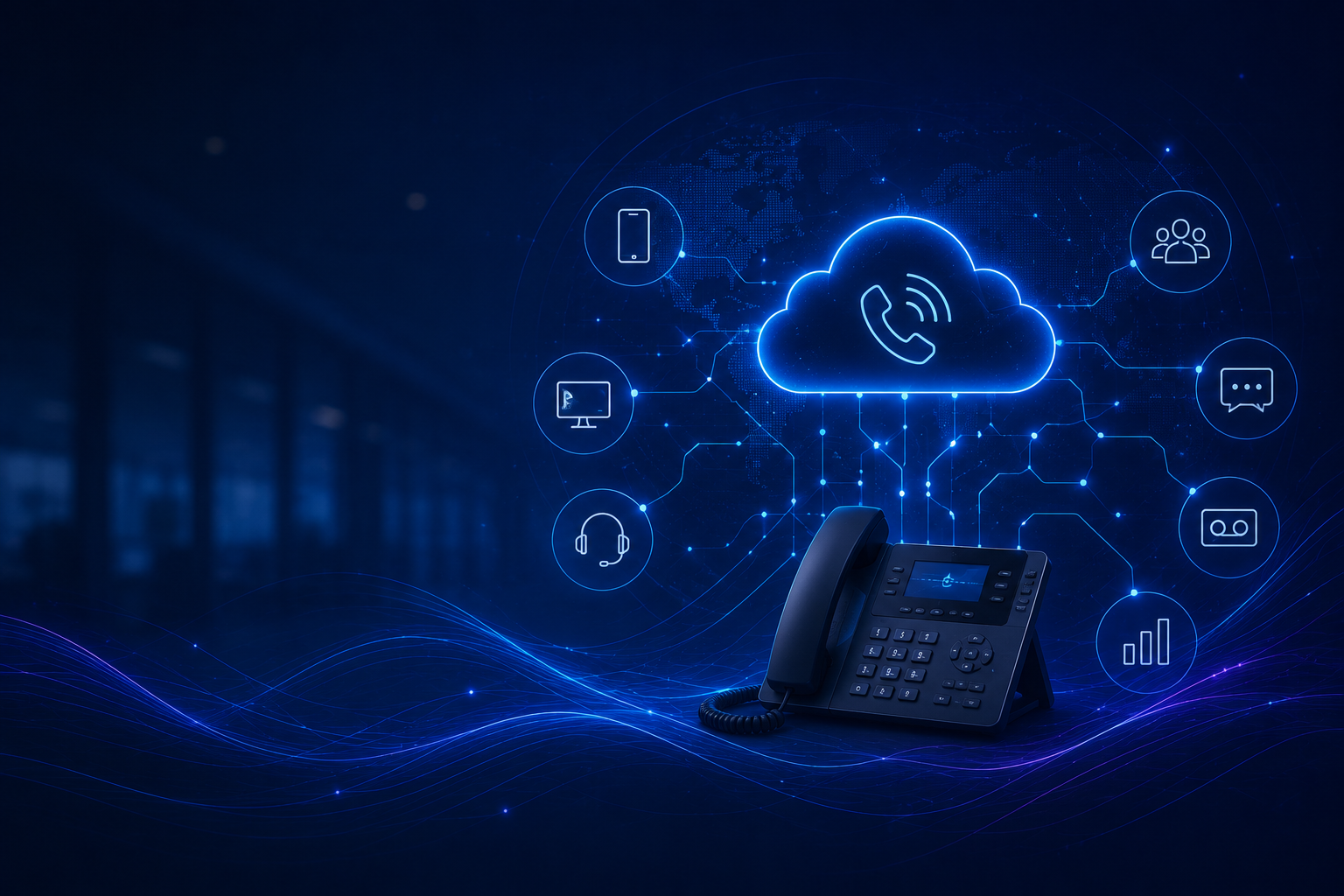
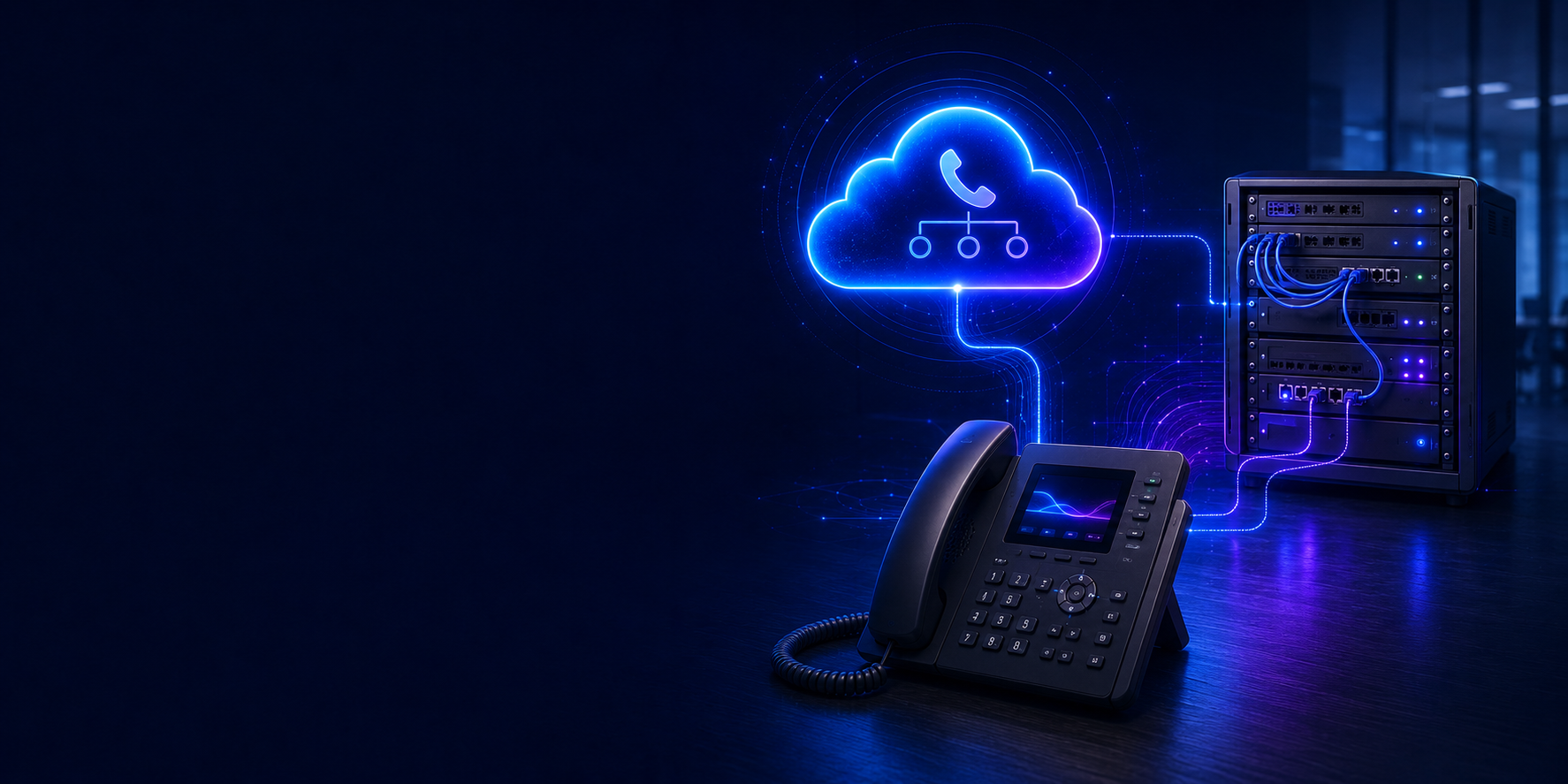
The hosted platform may remain online while office phones, internet, power and employees are unavailable. Preconfigure off-site answering, mobile access, another office and a final monitored fallback. Protect remote administrative access with individual accounts and multifactor authentication where available.
Returned calls should use the agency identity. Personal forwarding can expose employee numbers and make handoff or offboarding difficult.
Coordinate Every Channel
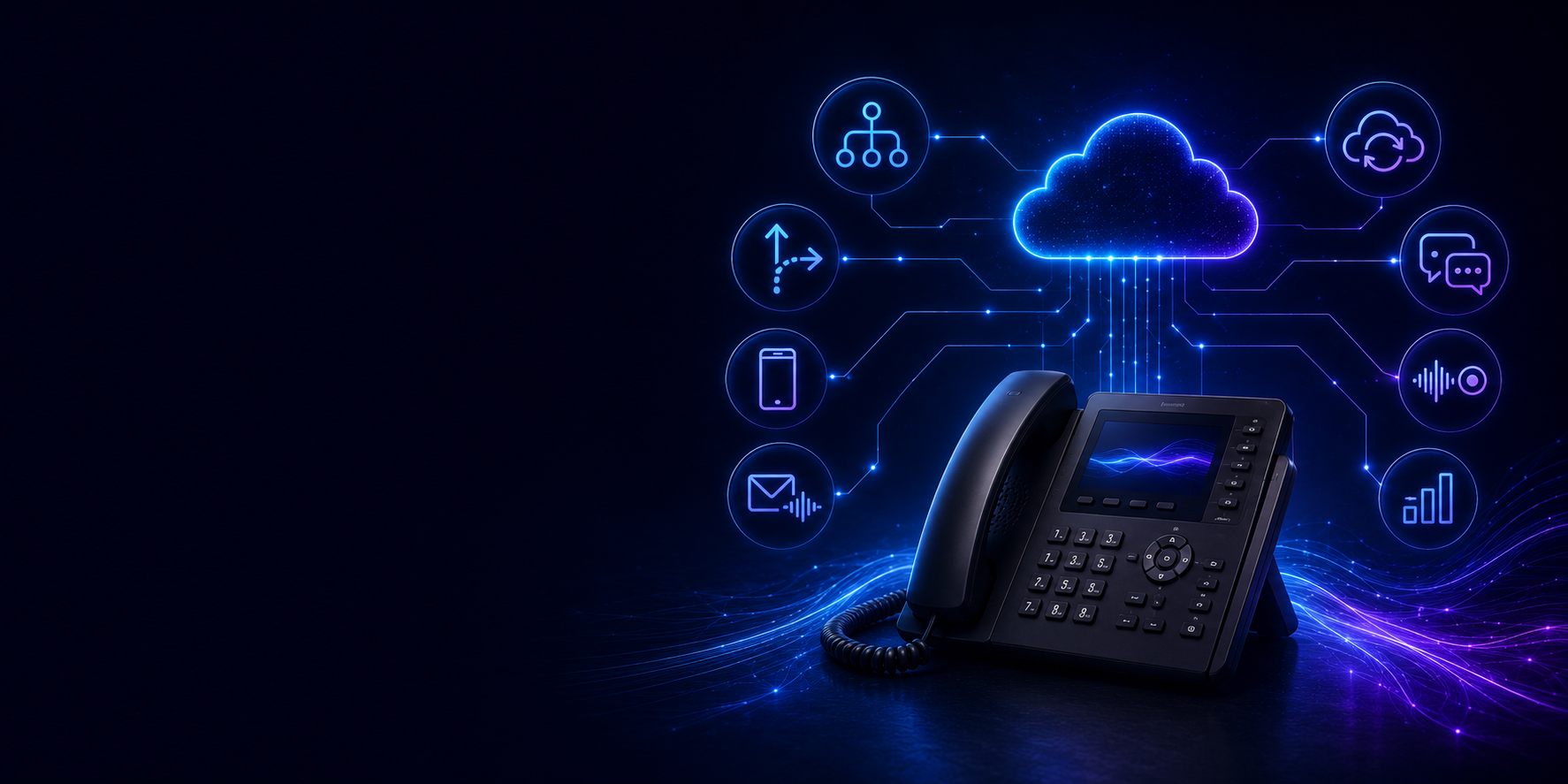
Update the phone greeting, website banner, business-text response and email auto-reply from one approved incident message. Assign one person to maintain the source of truth and another who can act if the primary administrator is unavailable.
If the agency uses texting, do not send broad catastrophe promotions without the required permissions. Service updates should remain concise and should not request sensitive claim documents through ordinary SMS.
Testing Checklist
Before hurricane season, call every published number from outside, test each menu choice, verify the carrier resource, leave a voicemail, send a text if enabled and confirm who receives alerts. Test returned-call caller ID and confirm two authorized people can activate and reverse the mode.
Tier 1’s Practical Recommendation
Build the catastrophe greeting and routing in calm weather, then run a live exercise. A written plan is incomplete until someone proves the call reaches a person or an accurately owned fallback.
Frequently Asked Questions
Will hosted VoIP work if the office internet is down?
The cloud service can route calls to working off-site destinations, while office phones still require connectivity.
Should all calls forward to the owner?
Usually no. Use a team, schedule and backup so continuity does not depend on one person.
Can the agency change greetings remotely?
Yes, with protected portal access and documented authority.
When should catastrophe mode be tested?
Before hurricane season and after material staffing, number, carrier or network changes.
Continue Learning
Build Around the Agency’s Real Workflow
Tier 1 Telecom helps Florida insurance agencies map quote intake, service, claims, licensed-role boundaries, equipment and continuity before recommending a platform.
Build Your Catastrophe Call Flow
We can review your current numbers, call paths, equipment, internet, agency roles and customer-communication workflow.