The Short Answer
After-hours routing should distinguish routine family questions, admissions leads, operational issues and true emergencies. State what the line is monitored for, provide the approved emergency path, rotate on-call responsibility and give every unanswered call an owned fallback. Do not imply that general voicemail reaches clinical staff or emergency responders unless it actually does.
Key Takeaways
- Create separate evening, overnight, holiday and building-closure modes.
- State exactly what the after-hours line monitors.
- Give admissions a next-day or approved live-coverage path.
- Route operational issues to a scheduled on-call team.
- Send emergencies to 911 and the community’s approved emergency process.
- Test from an outside number at the actual time of day.
Separate the Call Types
Routine family question
Give accurate hours and a next-business-day response path.
Admissions inquiry
Capture safe contact details or reach approved after-hours admissions coverage.
Operational issue
Route to the scheduled manager, maintenance or other responsible team.
Emergency or clinical need
Direct to 911, nurse call or the community’s designated clinical process as appropriate.
Build a Real On-Call Schedule
Use a schedule that can be updated without changing the published number. Include a secondary person and a final monitored fallback. Returned calls should show the community’s business identity rather than an employee’s personal number.
Messages Must Be Accurate
Avoid saying “someone will call shortly” when messages are reviewed only the next morning. Avoid saying the line reaches a nurse if it does not. Clear expectations protect families and staff and reduce repeat calls.
Test the Failure Path
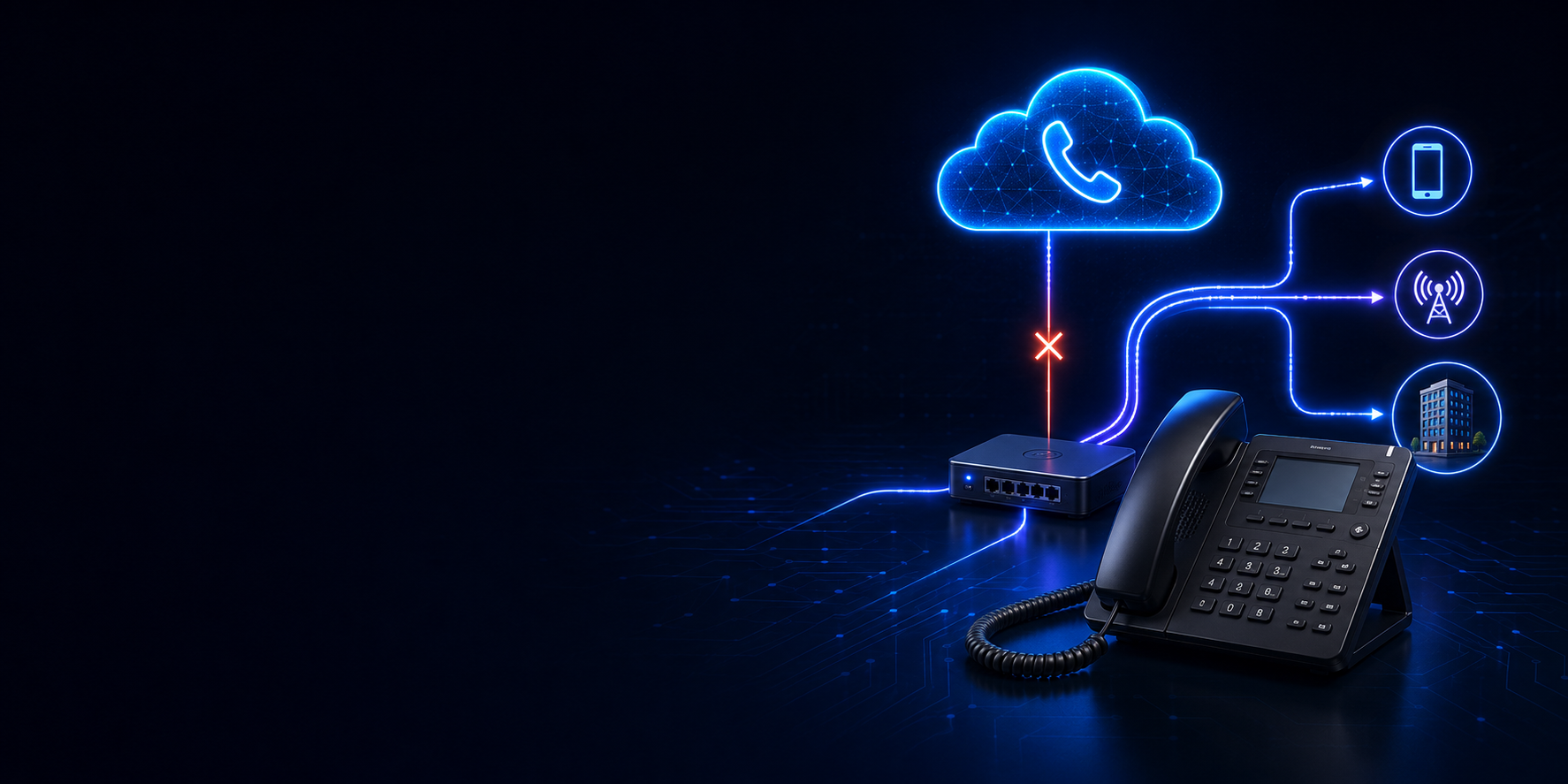
Call from outside after closing. Let each route time out. Leave a message. Confirm who receives the alert, how the callback is logged and what happens if the primary on-call person does not answer. Repeat after staffing or schedule changes.
Frequently Asked Questions
Should the overnight menu match daytime routing?
Usually no. Fewer staff and different responsibilities require a simpler after-hours flow.
Can AI answer overnight?
It can handle approved routine questions and intake, but emergencies and clinical questions require immediate human or emergency escalation.
Should calls forward to one manager?
Use a rotation and backup so the process does not depend on one person.
Can voicemail handle urgent resident needs?
Only if the community has explicitly designed, monitored and validated that workflow; general voicemail should not imply emergency monitoring.
Continue Learning
Build Around the Community’s Real Workflow
Tier 1 Telecom helps senior living operators map resident, family, admissions and staff call flows, equipment, emergency-location responsibilities, integrations and continuity before recommending a platform.
Build Your After-Hours Plan
We can review your current numbers, call paths, resident and staff equipment, campus network, integrations and continuity plan.