
Aug 24, 2026 | Business Phone Systems
The Short AnswerA multi-location practice should share administration, standards and reporting while preserving local identity, staffing, schedules and emergency-location data. The design should define which calls are centralized, which remain local, how staff cover...

Aug 24, 2026 | Business Phone Systems
The Short AnswerAfter-hours routing should identify routine requests, urgent concerns and emergencies without asking patients to self-diagnose. It needs a published schedule, a primary and backup responder, an answering-service or secure-message workflow,...
Aug 24, 2026 | Business Phone Systems
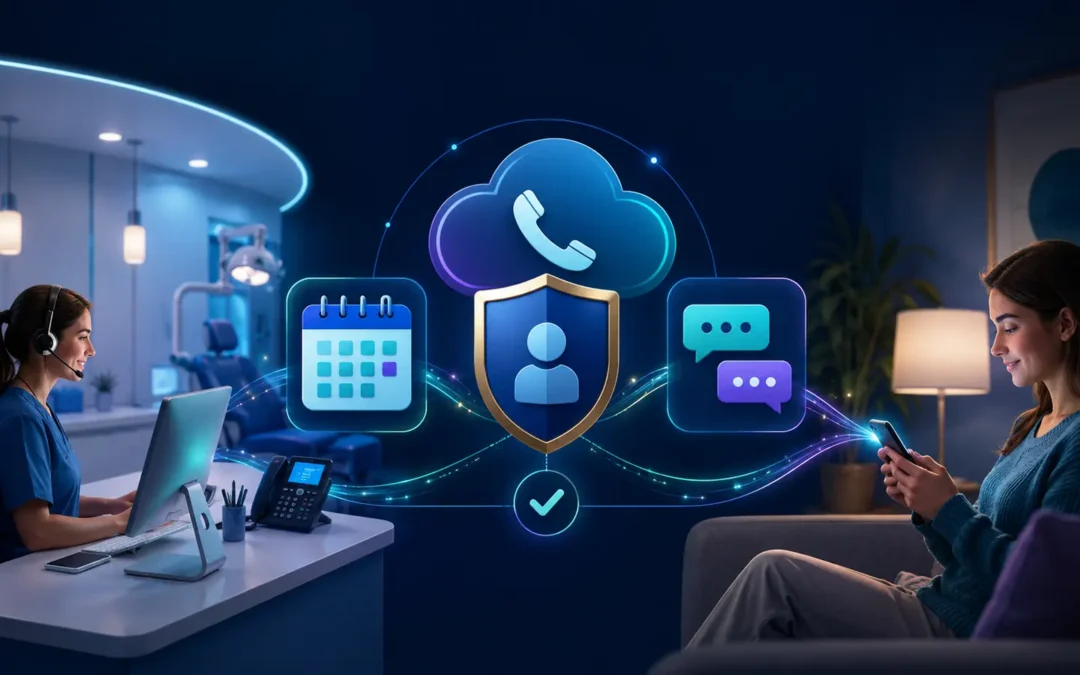
The Short AnswerHIPAA allows appointment reminders without a separate authorization because they are part of treatment, but practices still need reasonable safeguards. Keep message content limited, honor reasonable confidential-communication requests, document patient...
Aug 24, 2026 | Business Phone Systems
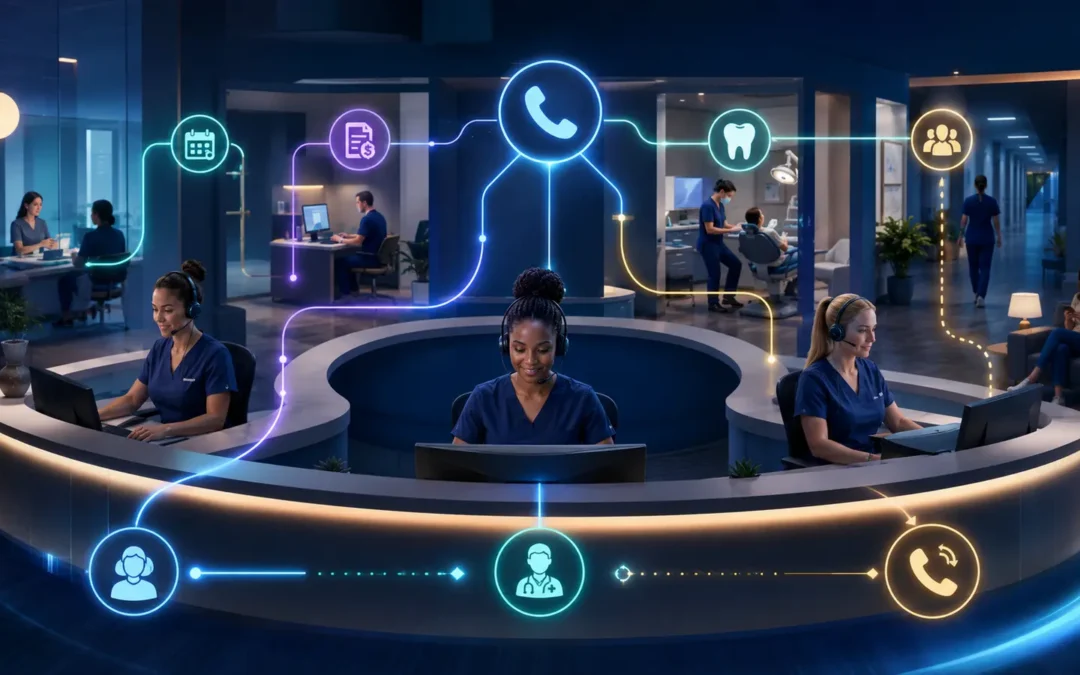
The Short AnswerA good medical or dental call flow separates scheduling, existing-patient needs, referrals and billing without creating a maze. Each queue needs an owner, a response target and an overflow destination. Clinical escalation should be documented...
Aug 24, 2026 | Business Phone Systems
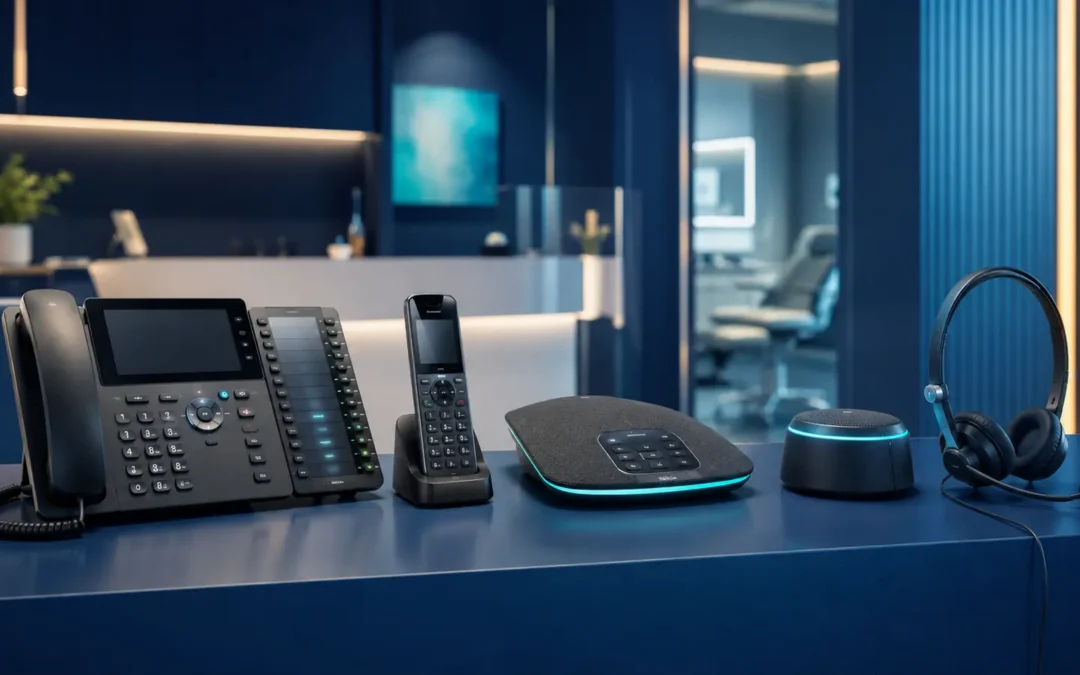
The Short AnswerReceptionists and schedulers need durable call-focused equipment, fast transfer controls and a comfortable headset. Clinical rooms usually need simpler shared devices, while managers and providers may need desktop and mobile access. The complete...

Aug 24, 2026 | Business Phone Systems
The Short AnswerThe best phone system for a medical or dental office is designed around patient access, front-desk workload, privacy, emergencies and continuity—not simply the number of employees. It should make routine scheduling easy, send urgent calls to the right...
