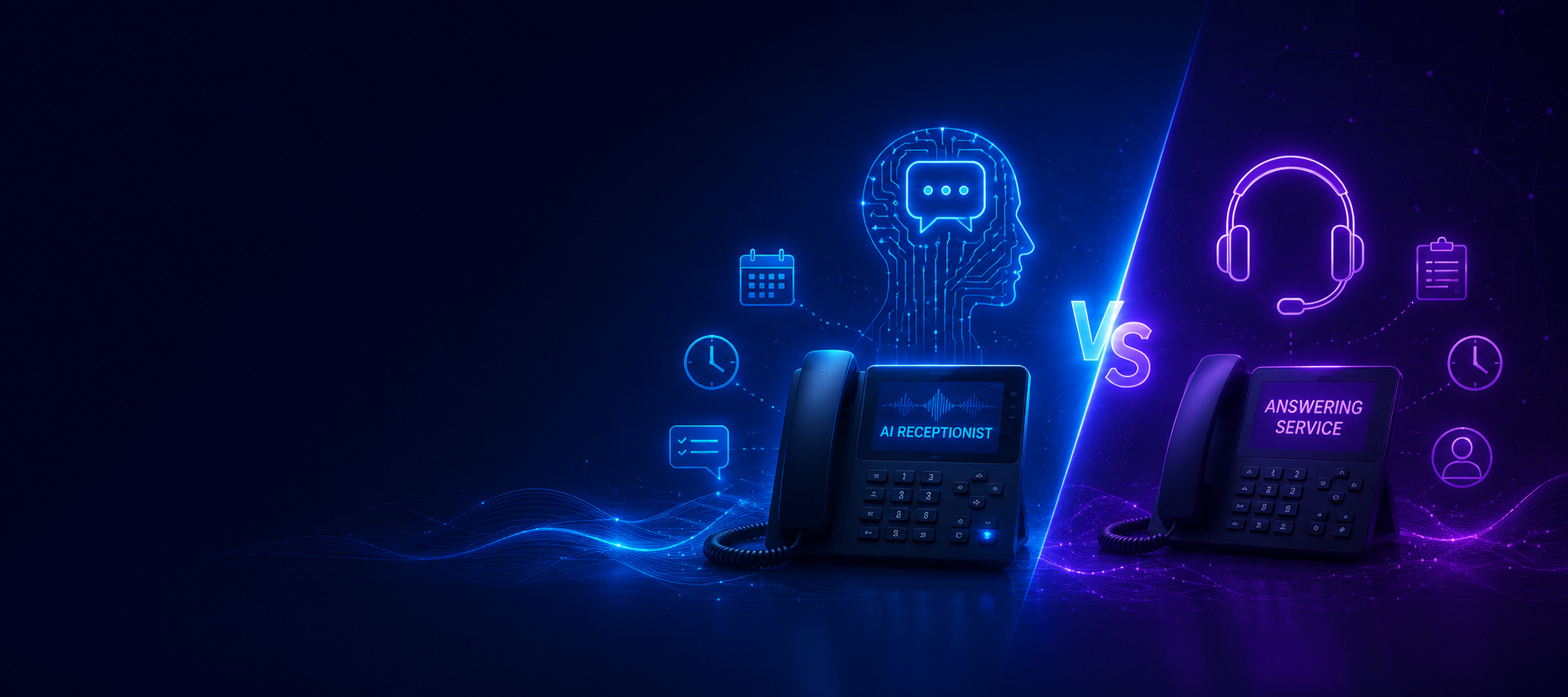
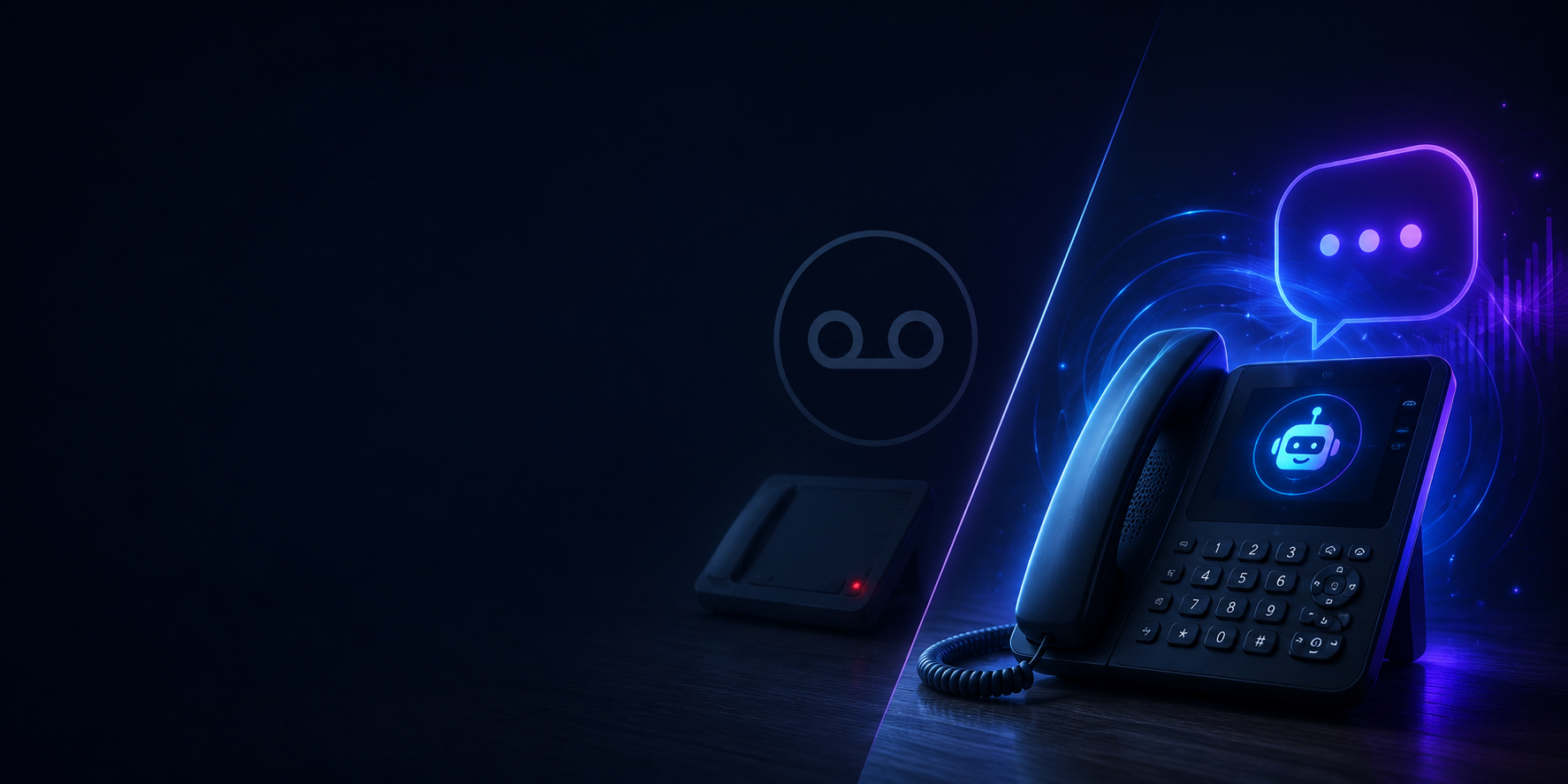
Many businesses assume voicemail is “good enough” when they can’t answer the phone. But voicemail and an AI receptionist solve two very different problems. One records a message. The other continues the conversation.
If your business misses calls throughout the day, you may wonder:
“Why wouldn’t I just let callers leave a voicemail?”
It’s a fair question.
Voicemail has been part of business communications for decades.
It’s familiar.
It’s inexpensive.
And it works...to a point.
But today’s customers expect immediate answers.
They don’t always want to leave a message and wait for someone to call them back.
That’s where an AI receptionist offers a completely different experience.
Voicemail Waits
AI Responds
When a customer reaches voicemail, the conversation stops.
The caller hears a greeting, leaves a message, and hopes someone calls back.
With an AI receptionist, the conversation continues.
Instead of hearing:
“Please leave your name and number after the tone...”
The customer is greeted immediately.
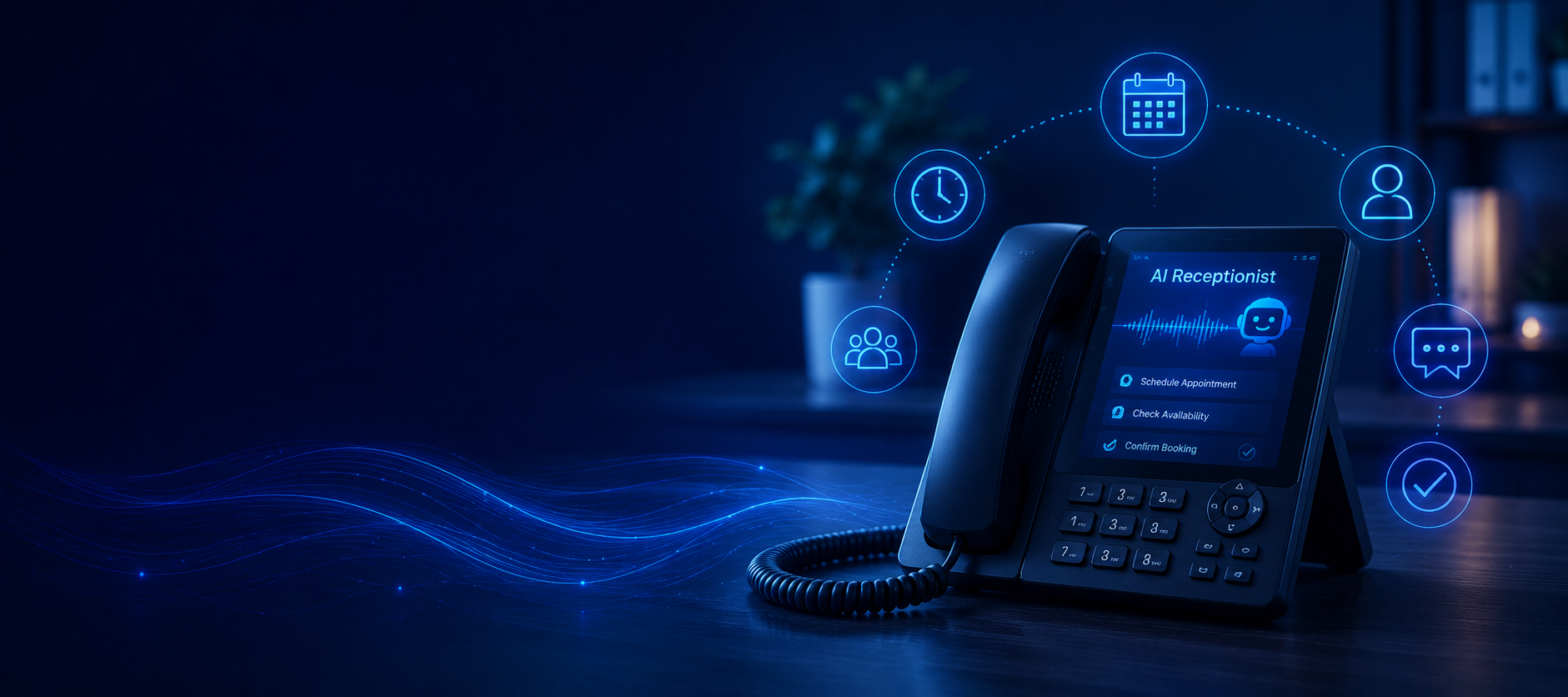
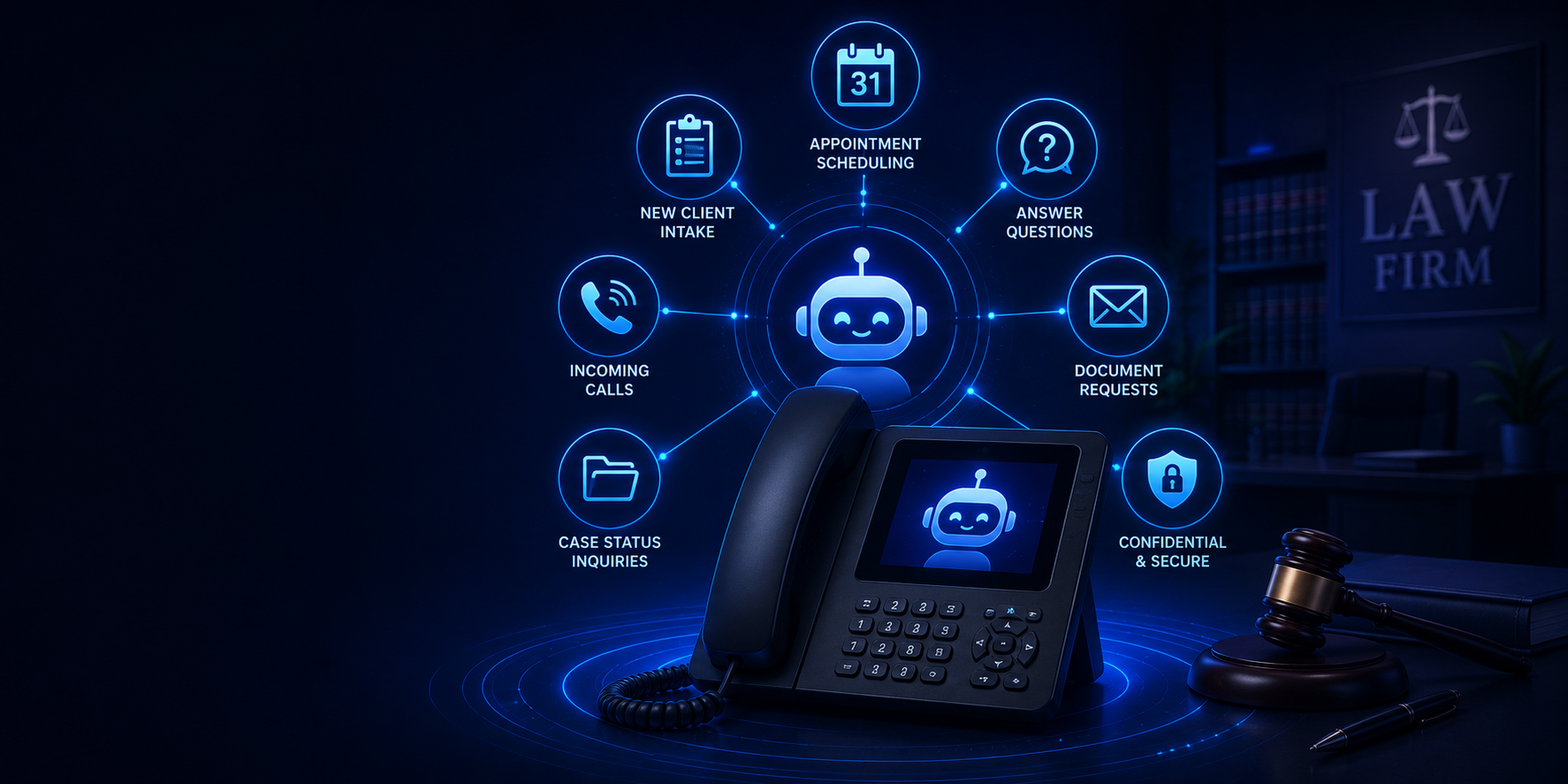
The AI can:
- Answer common questions
- Schedule appointments
- Collect information
- Transfer calls
- Route callers to the correct department
- Take detailed messages when needed
Instead of delaying the conversation...
It moves the conversation forward.
Customers Don’t Like Waiting
Think about your own habits.
When you call a business and reach voicemail...
How often do you actually leave a message?
Many people simply hang up.
Others call another company.
Some intend to call back later—but never do.
Every voicemail introduces friction into the customer experience.
An AI receptionist removes much of that friction by helping customers immediately.
CUSTOMER SPOTLIGHT
The Morning Voicemail Routine
One of our customers started every morning the same way.
Someone spent the first hour returning voicemail messages that had accumulated overnight.
Many of those messages weren’t emergencies.
Customers simply wanted to know:
- Business hours
- Service availability
- Whether appointments were available
- If the company served their area
After implementing an AI receptionist, many of those questions were answered immediately—even after hours.
Employees still handled important conversations, but they no longer spent each morning returning routine voicemail messages.
Voicemail Can’t Help the Customer
Voicemail records information.
That’s all it does.
It can’t answer:
“Do you service my ZIP code?”
It can’t schedule an appointment.
It can’t explain your services.
It can’t collect additional information.
It can’t ask follow-up questions.
It simply records a message.
An AI receptionist actively participates in the conversation.
Faster Responses Create Better Experiences
Customers appreciate businesses that are easy to reach.
If someone calls because they need service today...
Waiting until tomorrow for a callback isn’t ideal.
With an AI receptionist, many customers receive the information they need during the initial call.
That creates a faster, smoother experience while reducing the workload on your staff.
What Happens After Hours?
Voicemail treats after-hours calls exactly the same.
Leave a message.
Wait until tomorrow.
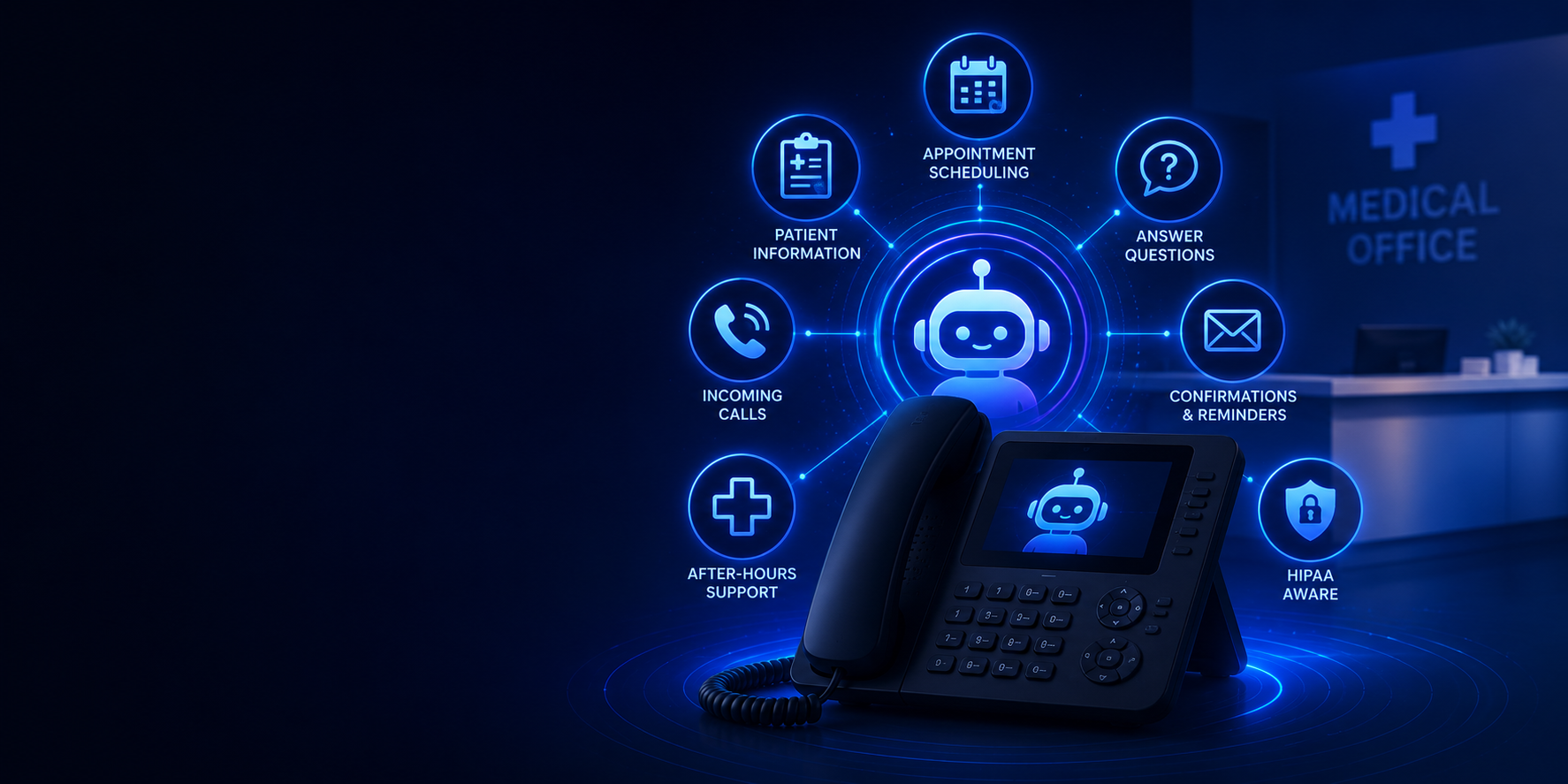
An AI receptionist can continue helping customers after your office closes.
Depending on how it’s configured, it can:
- Answer questions
- Schedule appointments
- Collect lead information
- Route emergency calls
- Provide business information
- Take detailed messages when necessary
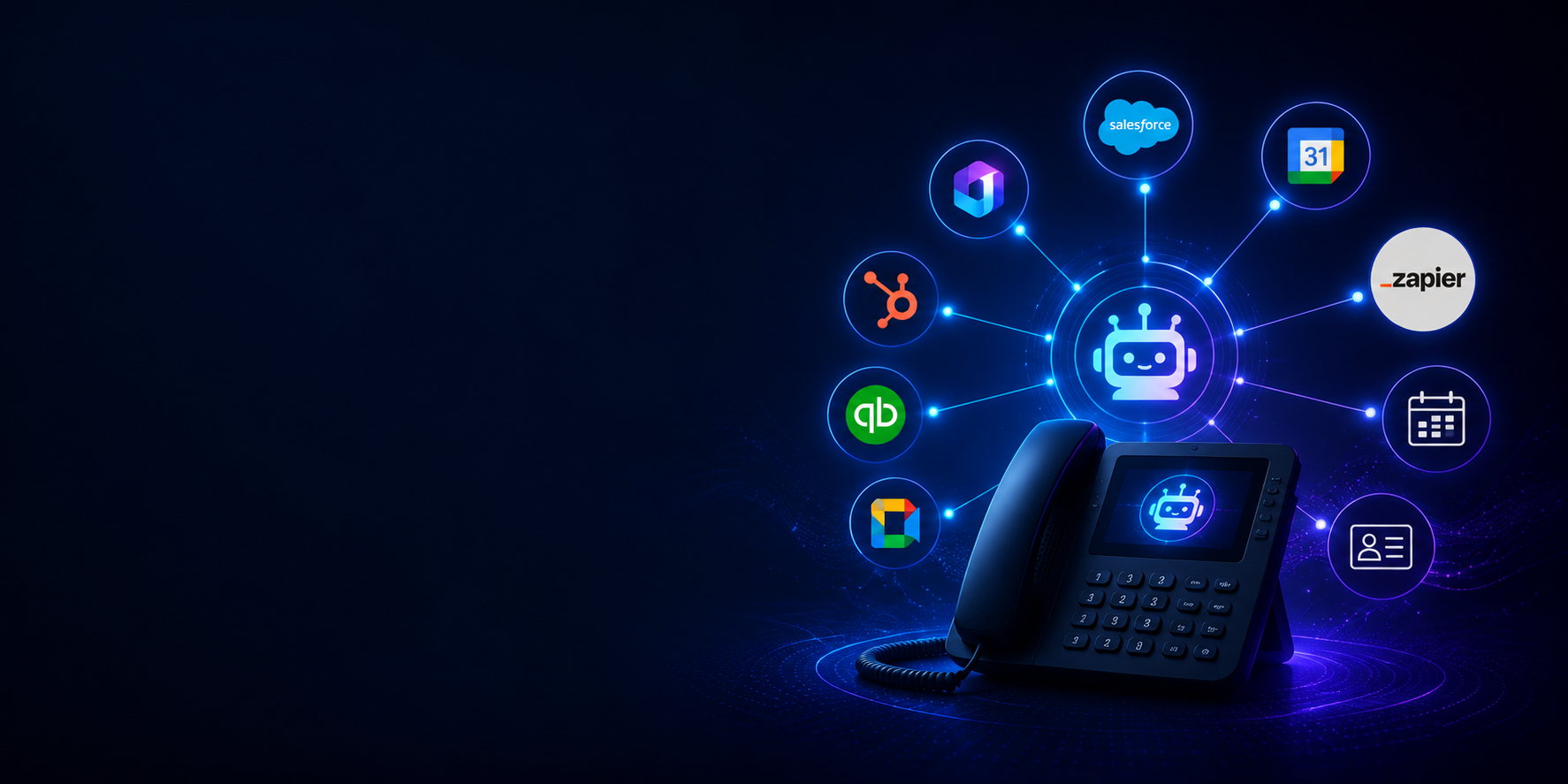
It can also send call details into your CRM and business systems so your team has organized information ready for follow-up.
That means your business remains responsive long after employees have gone home.
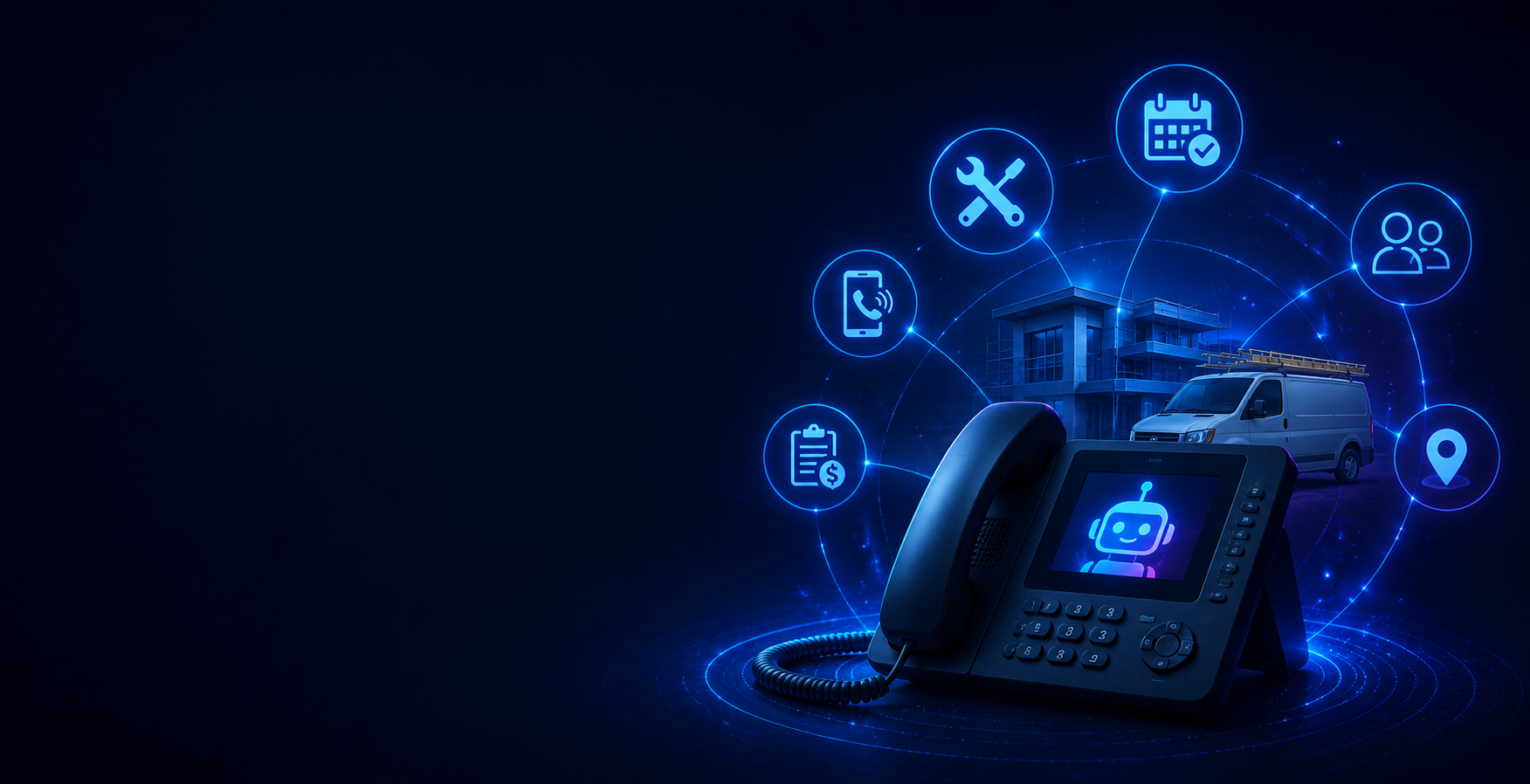
That after-hours availability is particularly useful for contractors handling urgent service calls while their crews are away from the office.
For law firms, immediate response can also help prospective clients schedule consultations instead of leaving a message and calling another practice.
When Is Voicemail Still Useful?
Voicemail isn’t obsolete.
It still has a place.
For example:
- Personal extensions
- Executive direct lines
- Internal employees
- Situations where callers specifically want to leave a message
Many businesses continue using voicemail alongside an AI receptionist.
The difference is that voicemail becomes the backup—not the primary customer experience.
Businesses Don’t Need More Messages
They Need More Conversations
Every unanswered call represents someone trying to do business with you.
Voicemail postpones the conversation.
An AI receptionist starts it immediately.
That difference can mean:
- More appointments scheduled
- More questions answered
- More leads captured
- Better customer experiences
- Fewer missed opportunities
Frequently Asked Questions
Is voicemail still necessary?
Many businesses continue using voicemail, but primarily as a backup rather than the first experience customers encounter.
Can an AI receptionist replace voicemail?
In many situations, yes. Instead of simply recording messages, the AI can answer questions, schedule appointments, and transfer callers when appropriate.
What happens if the AI can’t help?
The AI can transfer the caller or take a detailed message for your team to review.
Can customers still leave a message?
Yes. If your workflow includes voicemail or message taking, the AI can collect detailed information and ensure it’s routed to the correct employee.
Is an AI receptionist available after hours?
Yes. One of its biggest advantages is providing immediate assistance even when your office is closed.
Which provides a better customer experience?
For most routine business calls, an AI receptionist creates a more responsive experience because customers receive assistance immediately instead of waiting for a callback.
Immediate Conversations Win
Voicemail has served businesses well for decades.
But customer expectations have changed.
People expect answers now.
They expect convenience.
They expect businesses to be available when they need them.
An AI receptionist helps meet those expectations by keeping conversations moving instead of asking customers to wait for a return call.
For many businesses, that’s the difference between simply collecting messages and actively serving customers.
Ready to See the Difference?
Wondering how an AI receptionist compares to traditional voicemail?
We’ll show you how it can:
- Answer calls immediately
- Respond to common customer questions
- Schedule appointments
- Route calls intelligently
- Capture leads
- Continue helping customers after hours
Every business handles incoming calls differently.
We’ll help you build a solution that gives your customers a better experience than voicemail alone.